Question from an internet user:
I know you don't prescribe diets, but what are the basic tips for a good diet, especially for losing fat and gaining or maintaining muscle?
My answer (I really needed to write something about this, even to better guide my patients in the office):
1 - Premium food“ = monitoring by a competent nutritionist (preferably a functional one) - In other words, the professional best suited to prescribing and monitoring a personalized diet tailored to your needs is a nutritionist. Expect good tips at most from other professionals.
2 - Only follow general tips after consulting your doctor to find out if there are any other indications and/or contraindications in your specific case. This is because what is excellent for most people may not be suitable for you.
3 - Never go more than 3 hours without eating, as this can cause a drop in metabolism, an increase in appetite, more sluggishness and an increase in fluid retention and fat production.
4 - Include more protein in your diet:
The digestion of proteins and the incorporation of their amino acids help to stimulate metabolism and encourage lipolysis (the breakdown of fatty tissue to generate energy) and thermogenesis (the use of stored energy to produce heat), especially when there is a good intake of quality proteins throughout the day, especially at breakfast. In addition, consuming quality proteins in the evening contributes significantly to the repair of organic structures and the gain of muscle mass, processes that occur more intensely at night during sleep.
5 - Avoid refined carbohydrates, known as “white” carbohydrates, as much as possible:
Foods rich in glucose or starch (remember that starch is a form of sugar, just not sweet) tend to increase the release of insulin, the hormone responsible for turning sugar into fat. The more insulin circulating, the greater the resistance your body develops to it, at the same time as fat deposits, appetite, tiredness, inflammation and fluid retention increase. Good foods, as far as carbohydrates are concerned, are those with a low glycemic load and low glycemic index, i.e. low total sugar content and slow release of this content. This helps to avoid spikes in blood glucose, which lead to spikes in insulin secretion, which are responsible for putting on weight, and can cause the pancreas to become exhausted, among other problems.
6 - Polyunsaturated and monounsaturated fats are great allies.
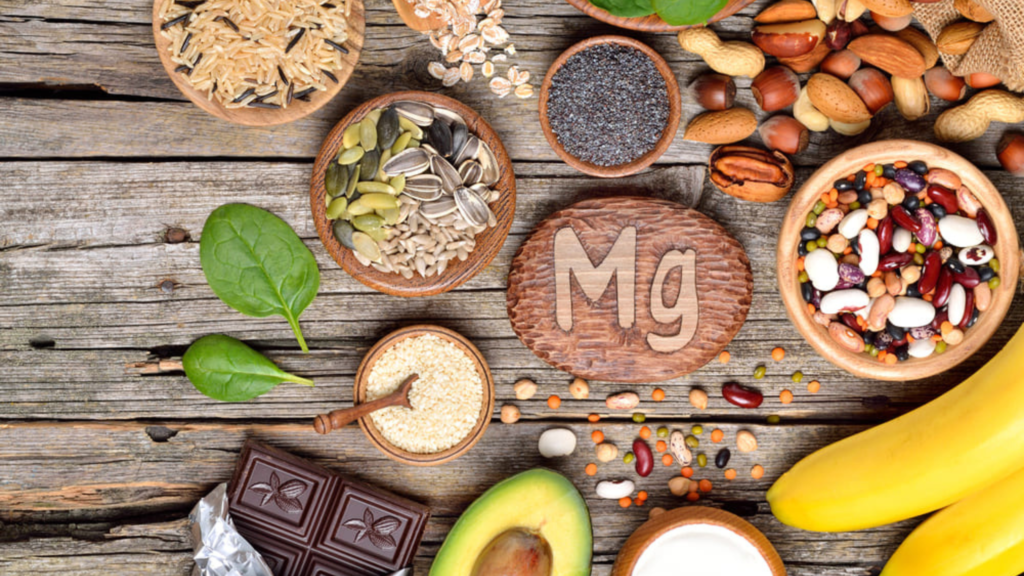
Extra virgin olive oil, fish oil, safflower oil, coconut oil, avocados, nuts and oily fish are all rich in Omegas 3, 6 and 9, which are extremely beneficial not only for general health, but also for weight loss. What's more, they offer far more benefits than calories.
7 - Drink water every hour (or two glasses every two hours - never go longer than that without water to avoid dehydration, which can slow down your metabolism), but in between meals. During meals, consume as little liquid as possible.
8 - Consume fiber every day, at least twice a day (at least 25 to 40 grams a day). - In addition to being essential for good intestinal function, fiber helps to reduce appetite and reduce the absorption of calories at each meal.
9 - Have breakfast and lunch rich in quality and quantity of food, but have a more moderate dinner. Carbohydrates are not forbidden at dinner, but they should be eaten in small quantities, always avoiding refined ones.
10 - Include as many good foods as possible (most of which also have really therapeutic properties) in your regular diet
11 - Avoid foods that are bad for you:
Some foods, such as milk and its derivatives, gluten and its derivatives, tend to cause or aggravate various symptoms in most people, for different reasons. It is therefore common for many people to benefit from removing these items from their daily diet. However, each individual has their own foods that cause them harm, which should be identified and removed, or at least consumed in moderation. After all, even what is healthy for the majority can inflame and harm specific people. In other words, really: your food can be your medicine or your poison!
12 - Have you improved your diet, but your digestion is still bad? See a doctor.
Gas in large quantities or with an excessively unpleasant odor, abdominal distension (especially after meals) and very hard or loose stools are usually symptoms of intestinal dysfunction; and intestines that don't work properly simply prevent healthy weight loss and the real achievement and maintenance of health. It's simple: either your intestines work well, or you won't absorb the supplements and medicines you take properly, nor will you eliminate toxins as you should (they will accumulate in your body and brain). That's why it's said that “it's not just fish that die by mouth”: your diet is the main factor influencing intestinal function, and this is one of the main determinants of the health of all your organs, even those furthest from the intestines.
Remember all this, take care of yourself and live better!












 Português do Brasil
  English