Author: Dr. Suellen Araújo, Clinical Physician
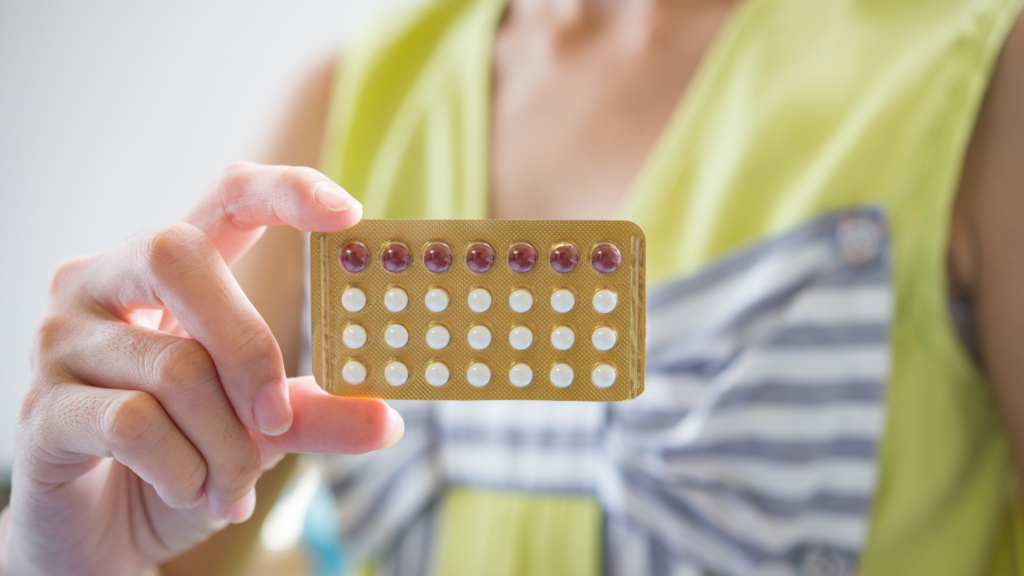
Imagine the situation: a 15-year-old teenager goes to the gynecologist because she wants to have her first sexual intercourse and is prescribed a “weak contraceptive”, such as Yaz or Yasmin, whose progestin is drospirenone. It's possible that this teenager won't stop taking the pill for the next 35 years of her life, until the menopause comes. Is a contraceptive really so weak that it doesn't do any harm after such a long period of use?
Any contraceptive is a synthetic hormone analog of progesterone (progestins), combined or not with estrogen. These artificial hormones act in the hypothalamus, suppressing the signal for the ovaries to produce natural hormones at the physiological (correct) rate so that ovulation can occur.
So synthetic hormones behave DIFFERENTLY from natural hormones, since one inhibits ovulation and the other contributes to it. But is this the only difference?
Contraceptives are associated with a series of unwanted side effects that vary from person to person and according to the combination and type of synthetic hormone used. In the clinic, trying to resolve the general complaints of a patient who is using contraceptives slows down the results than if she were not, because contraceptives are a substance that I usually call antiphysiological, i.e. something that goes against the normal functioning of the body. The body tries to adapt to its presence, often at the cost of side effects that have already been described, such as weight gain with fluid retention or causing interactions that we don't yet know about.
Some studies have seen an association between continuous use of progestins and an increased incidence of breast cancer.¹ Another study of 10,000 women taking progestins with estrogen showed that 44 developed breast cancer, compared to 31 in the placebo group. In the cases where the hormone was used, the neoplasm was also more aggressive, with 25% of the cases showing spread to the lymph nodes, compared to 16% in the control group.² Of course, this is a rare event, and the genesis of cancer is much more complex to be attributed to just one factor. However, it is relevant information and should be placed in the balance of arguments against the use of the contraceptive pill.
So, women, ask yourself: why did I choose to take birth control?
There are women who use contraceptives as a form of protection against pregnancy. They can change their contraceptive method; condoms are the safest and most widely used. There is also the tabelinha and coitus interruptus, but both require a lot of discipline and are therefore not the best method of choice for many couples.
Those who are more fearful still use two methods: condoms and the pill. There's no need; just choose the condom and always use it. Difficult?
Then there are those who don't like condoms and prefer the known and unknown harms of hormonal contraceptives to facing the risks of the tabelinha and coitus interruptus. For them, only methods with synthetic hormones remain, among the most common being the oral contraceptive. But which pill is the best? Nobody knows. A study was published in 2011 in British Medical Journal, The study, which found that women using drospirenone (the progestin in Yaz and Yasmin, two contraceptives considered to be “weak”) had twice the incidence of thrombosis (blood clots) than women using levonorgestrel, a second-generation progestin.³ This fact led ANVISA to issue a warning about the use of these drugs, according to a report in Folha de São Paulo. Again, the issue is not just thrombosis, a rare event, but has to do with all the other implications of using contraceptives in this complex process of adaptation of the body, which we still don't know about.
On the other hand, there are those women who take contraceptives because they (and their doctors) think it's the only option for their problems: dysmenorrhea (menstrual cramps), acne, polycystic ovary syndrome... For these women, I suggest they look for other options. They do exist!
Detoxification methods, a healthy diet, vitamin and mineral supplementation or the use of bioidentical hormones (the ones your body produces) can correct all these symptoms and restore the body's balance in a healthy way.
Further reading (links accessed on 01/08/2013)
- J. Steroid Biochem Mol Biol. 2005; Progestins and progesterone in hormone replacement therapy and the risk of breast cancer.
- Chlebowski RT, Hendrix SL, Langer RD, et al. Influence of estrogen plus progestin on breast cancer and mammography in healthy postmenopausal women: the Women's Health Initiative randomized trial. JAMA. 2003;289(24):3243-3253.
- Parkin L, Sharples K, Hernandez RK, Jick SS. Risk of non-fatal venous thromboembolism in women using oral contraceptives containing drospirenone compared with women using oral contraceptives containing levonorgestrel: case-control study using United States claims data. BMJ. 2011;342:d2151.
- Folha de S.Paulo. Anvisa warns about the contraceptive hormone drospirenone. Folha de S.Paulo. 2011. Available at: https://www1.folha.uol.com.br/














 Português do Brasil
  English