I have a thought to propose, without the slightest pretension of exhausting the subject or of being the owner of the truth:
Studies indicate that most cases of disorders such as depression, anxiety or even phobias and panic are associated with low levels of serotonin, an important neurotransmitter. I'll be writing an article on neurotransmitters soon, but for now, you can find out a little more about them here: https://pt.wikipedia.org/wiki/Neurotransmissor. If serotonin is low, this could be due to its insufficient production or to its excessive consumption, which stress does cause. Either way, the need is objective: to supply the brain with serotonin. There is, however, a problem: serotonin produced outside the brain does not cross the blood-brain barrier. Therefore, either the nutrients for the brain to synthesize it come in, or it won't get through. And thinking about antidepressants at this point is not the solution, as they do not stimulate the production of neurotransmitters, but only reduce their destruction. In other words, in cases of uncorrected low production, they are unlikely to reach satisfactory levels spontaneously.
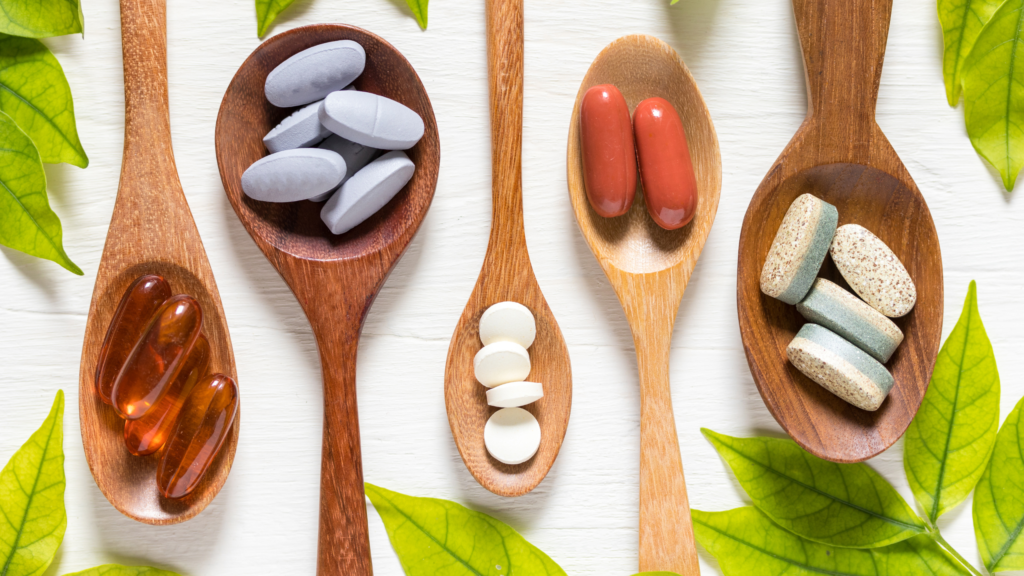
Let's get back to the nutrients. Serotonin is mainly composed of Magnesium (it is estimated that around 70% of the world's population are deficient in this), Folic Acid, Vitamin B6 and the amino acid L-Tryptophan (with evidence of insufficiency in just under 50% of the population). If you can't bake a cake without the necessary ingredients, you've probably realized how difficult it is for most of us humans to synthesize serotonin. The essential ingredients are missing!
So, as humanity, let's look at the size of the problem:
- We are increasingly stressed, and stress “depletes” serotonin;
- We eat badly, which impairs the absorption of the nutrients needed to produce serotonin;
- We drink little water and do little regular exercise, which affects circulation and the bioavailability of absorbed nutrients.
And there are still those who think that depression, anxiety or even phobias and panic are mainly treated with antidepressants...
Cheers,
Ícaro Alves Alcântara












 Português do Brasil
  English