In my humble opinion, every doctor not only can, but should, take good courses and postgraduate courses in Orthomolecular Medicine to improve their clinical vision of the cases they treat (and their results), as well as to improve their own lives and the lives of those they can help by sharing quality knowledge. Unfortunately, only a minority of people seek this improvement. Many have a bad habit of criticizing what they haven't even really tried to learn about what Orthomolecular is, its pillars, benefits, methods, etc. This is why so many opinions are invalid, often comparable to “pearls to swine”.
Let's understand, for our own benefit:
1️⃣ The basics you need to know about Orthomolecular are here. Check it out: https://icaro.med.br/ORTOMOLECULAR/
2️⃣ Orthomolecular is not a specialty, but it is a medical practice and a valuable strategy in medicine, recognized by various CFM resolutions and especially standardized by the 2004/2012 CFM.
3️⃣ Orthomolecular therapy, when done properly, basically involves four pillars:
- Improving the patient's lifestyle and habits, guiding and monitoring them to make them as healthy as possible: https://icaro.med.br/SAUDE/;
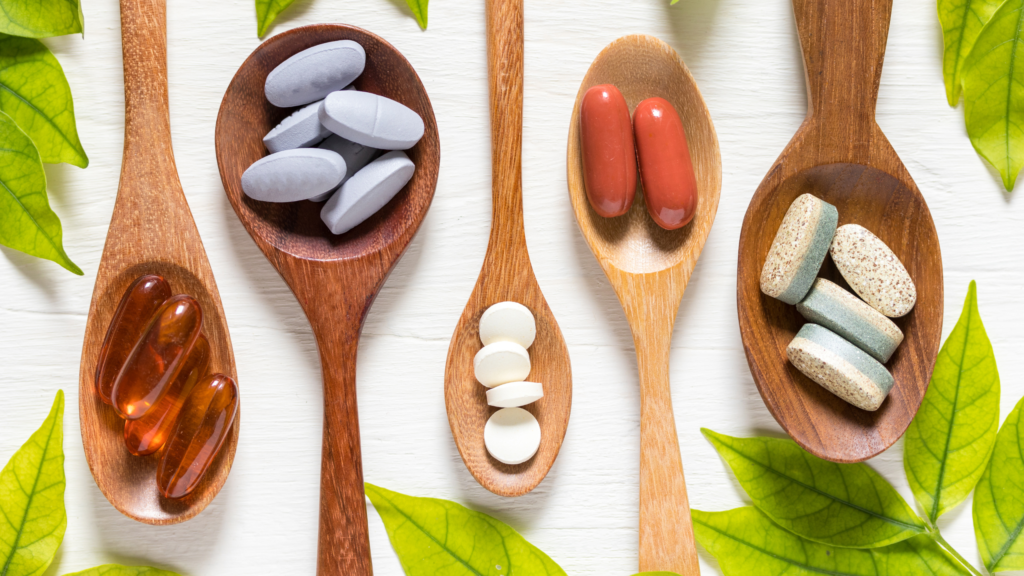
- Identifying deficiencies and supplying them (vitamins, minerals, neurotransmitters, hormones, etc);
- Detoxify (remove excesses) and reduce intoxication;
- Combat excessive oxidative stress (excessive amounts of free radicals).
4️⃣ No good doctor who practices orthomolecular medicine stops practicing their specialty/basic area. Knowledge adds to the practice for the benefit of the patient, not subtracts from it.
5️⃣ A true story to reflect on:
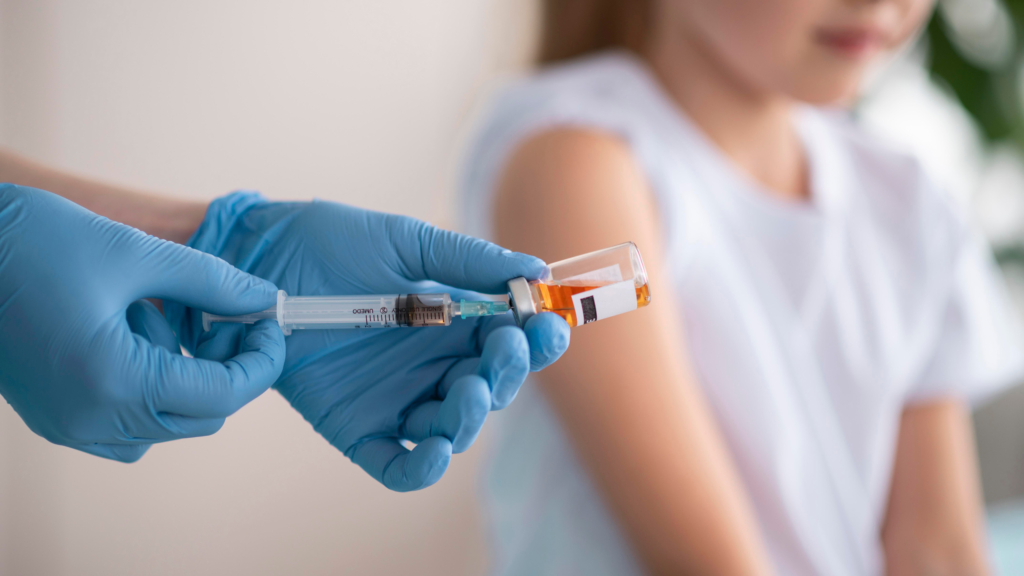
A patient told me that he had been to three “orthomolecular doctors” in the Federal District (I was the last one, with whom he is still following up, satisfied, from what he told me). The first, without analyzing any additional tests and after a short consultation time, prescribed a “serum treatment” (intravenous) costing more than R$ 10,000.00, which the patient could only buy and apply at his clinic. As the patient found this absurd (with good reason), he sought a second opinion and ended up with a professional who barely touched on the pillars described in topic 2 and already indicated high doses of a hormone.
Of course, these are reports of bad experiences. However, think about it: if you go to a bad healthcare professional (or have an unsatisfactory experience), that's not the reason why you form the concept that “every healthcare professional is bad”, right? In other words, such a generalization would be absurd. The same applies to everything in life, and it's no different with orthomolecular medicine: there are good and bad professionals in any and all areas, and it's not because some use the “label” wrongly that orthomolecular medicine itself loses its value.
6️⃣ To this day, after lecturing to many hundreds of fellow medical students and practitioners of Orthomolecular Medicine, I have heard nothing but praise for how the knowledge of this strategy has helped them to treat patients better and obtain more significant results. Coincidence? Of course not.
6 - Why, then, do some people criticize her unduly? To find out, check here: https://icaro.med.br/ortomolecular-incomoda-tanto/
Have a good study! I believe it will be very worthwhile.










 Português do Brasil
  English