Curiosities about Bones - Taking good care of your bones involves much more than just “giving calcium”.
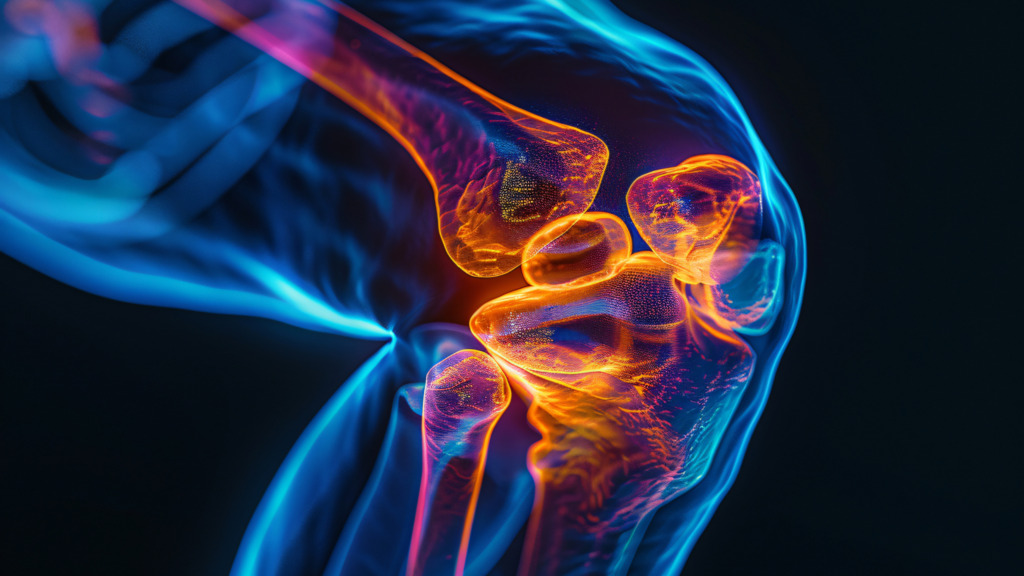
CURIOSITIES:
1 - More than 40% of the adult Brazilian population over the age of 50 do not have good bone health.
2 - Bones are not only important for locomotion, muscle movement and posture; they also protect vital organs such as the heart, lungs and brain. In addition, they serve as a reservoir for various minerals and host and protect the bone marrow, where a large part of the blood cells are generated, especially those of the immune system.
3 - The basis for bone health is a good diet and regular exercise. Without these, supplements or medicines alone simply won't work.
4 - Every bone has two basic types of bone cells inside, osteoblasts and osteoclasts, as well as blood vessels and nerves. Osteoblasts are responsible for building new bone (bone formation), while osteoclasts destroy old or damaged bone (bone resorption), allowing it to be replaced by new, more functional, resistant and resilient bone. This constant bone remodeling, when healthy, maintains a perfect balance between the rates of resorption and formation, or the latter predominates.
5 - From the age of 30, it is common for most of us to enter a period of bone demineralization. This process can be slowed down, or even stopped, by adopting and maintaining good lifestyle habits, together with real and constant care for bone health.
6 - The process of losing bone mass and deteriorating bone health with advancing age is relatively “silent”. Generally, they only become apparent when they are at a moderate to advanced stage, which often prevents early detection in people who don't focus on prevention and just “wait for the symptoms” to take action.
7 - Women, beware: during the climacteric period, which occurs just before, during and after the menopause and can last for years, there can be significant losses in bone density, reaching almost 40% in some cases. For more information, visit: icaro.med.br/Women e icaro.med.br/Menopause.
8 - The “cholesterol-lowering drugs” known as statins, consumed by almost 30% of adults, can reduce the synthesis of vitamin K2. As a result, they can reduce the amount of calcium in the bones and increase its inadequate deposition in the artery walls. In short, without vitamin K2, calcium has a high chance of being deposited in the wrong place in the body, even clogging arteries. For more information, visit: icaro.med.br/Cholesterol.
9 - The activity of osteoblasts, the cells responsible for bone formation, is inhibited by serotonin. Therefore, when serotonin levels increase, bones tend to lose mass. Some antidepressants raise circulating serotonin levels, even though their main action is to increase serotonin “locally” in the synaptic cleft, the site of communication between neurons. It is important to remember that more than 90% of the serotonin in the blood is produced by the intestines and not by the brain, and that this serotonin does not enter the brain freely. This is why chronic use of many antidepressants can lead to osteopenia and even osteoporosis.
10 - Bisphosphonates, such as alendronate and risedronate, are drugs that are often advertised as treatments for osteoporosis and are supposed to strengthen bones. However, in most cases, they can actually weaken bones. This is because they worsen the recruitment of osteoclasts and increase the death of these cells, thus impairing bone remodeling. As a result, you are left with more old bone tissue, which is less resistant and vital. This older bone retains calcium and can cause a bone densitometry scan to show “greater density”, but at the cost of bones that are less resilient and strong than they need to be.
11 - If you are intolerant to a food and continue to consume it, this can cause inflammation in the intestines, impairing the digestion and absorption of nutrients from food, including several that are fundamental to bone health. This is especially true for unfermented or sprouted grains and even more so for foods such as gluten, milk (and its derivatives) and excess simple carbohydrates.
12 - Smoking increases bone demineralization, and the habitual consumption of alcoholic beverages not only demineralizes the bones but also reduces the intestinal absorption of calcium.
13 - Soft drinks, even light or diet ones, due to their excess phosphorus and the increase in the demineralizing hormone PTH, contribute to the decalcification of bones.
Understand that when bones are unhealthy, several other areas of the body may also be compromised. Bones tend to weaken whenever poor lifestyle habits, nutritional deficiencies, hormonal imbalances, poisoning and other factors persist.
Dr. Ícaro Alves Alcântara














 Português do Brasil
  English