Nowadays, most of us turn to the internet to research any subject of interest: from Mysticism to Science, from Reason to Emotion, from the Concrete to the Abstract. Everything is “Googled” in order to acquire more information on the subject. But the question arises: is what you read reliable? In other words, do you know how to evaluate the quality of the information you access, to know whether to believe it or not?
The aim of this short article is not to teach anyone how to criticize a news article, but rather to “open the eyes” of those who use what they learn on the internet to “benefit” themselves and their loved ones. Depending on the source of a piece of knowledge, applying it to your life can even be bad for your health. A good example of this is the article below, which I urge you to read before continuing (reproduced at the end of this article, with due credit): http://www1.folha.uol.com.br/equilibrioesaude/872309-faltam-provas-de-que-antioxidante-previna-envelhecimento.shtml
The site is usually very reliable, a source of useful and up-to-date health knowledge. But in this article, as it deals in an untruthful way with areas in which I work directly, I reserve the right to a few “retorts”:
There are countless articles demonstrating that the use of antioxidants helps to slow down ageing, although none of them have been cited; preventing ageing is, in fact, impossible, as it is a natural process inherent to every living organism. However, as proven by hundreds of studies, antioxidants contribute significantly to slowing down this process, reducing its speed and the damage associated with it;
A large part of the concepts of Nutrology and Functional Nutrition, avant-garde areas that are considerably superior to “conventional” nutrition, are based on thousands of pieces of evidence that show how foods, through their content of various substances, have properties that can reduce the risk of various health problems occurring or worsening;
As a matter of logic, an organism in balance has a robust immunity and more “under control” inflammation mechanisms, which means it is less likely to develop cancer, considering that inflammation and immune disorders are currently recognized as the main factors causing cancer. What's more, the effectiveness of antioxidants in maintaining and restoring this balance is so significant that practically all living organisms produce various substances with antioxidant properties;
The daily doses of antioxidants to be administered, whether through food or supplementation, vary from patient to patient, although there are established parameters (dosages suggested by thousands of studies around the world) applicable to all. This rule is valid for all medication: for example, one hypertensive patient may respond well to 5 mg of enalapril daily, while another may need more than 20 mg to achieve adequate blood pressure control; however, this does not compromise enalapril's credibility as an antihypertensive.
Too much of anything is bad for you, and that's not news to anyone. A simple but illustrative example: paracetamol is widely used and effective in the treatment of headaches, usually in doses of 500 to 750 mg for adults. However, there are hundreds of side effects and undesirable reactions recorded in adults around the world at these doses. In other words, if each human organism is unique and only a minority experience adverse effects with the most common dose of a particular drug or supplement, does that make the product reprehensible and recommend banning its use? Wouldn't it be more appropriate for each patient to receive individualized treatment, attentive to their clinical case and particular characteristics?
No antioxidant should be taken alone, especially in high doses - a recommendation well known to all professionals who study and work effectively with antioxidants. This is because antioxidants work together, with one “helping and recovering” the other in its functions;
The production of free radicals is one of the strategies normally used by the body to fight infection. The problem arises when the “endogenous” production of these radicals is excessive (due to stress, poor lifestyle habits, excessive sun exposure, etc.) and when the entry of free radicals into the body is also high (caused by polluted air, contaminated food, poor quality diet, smoking, alcoholism, excess stimulants, etc.). - factors that generate an excess of free radicals and also compromise the body's natural mechanisms for neutralizing them). If the body is unable to neutralize free radicals internally, they will attack, inflame, weaken and cause disease, with effects that are out of control and far beyond the originally “beneficial” infection-fighting effects. In other words, once again, it's excess that causes problems, and many studies prove not only the damage caused by free radicals, but also that most of us today live with an excess of factors that increase their quantity. Only those who don't want to can't see it.
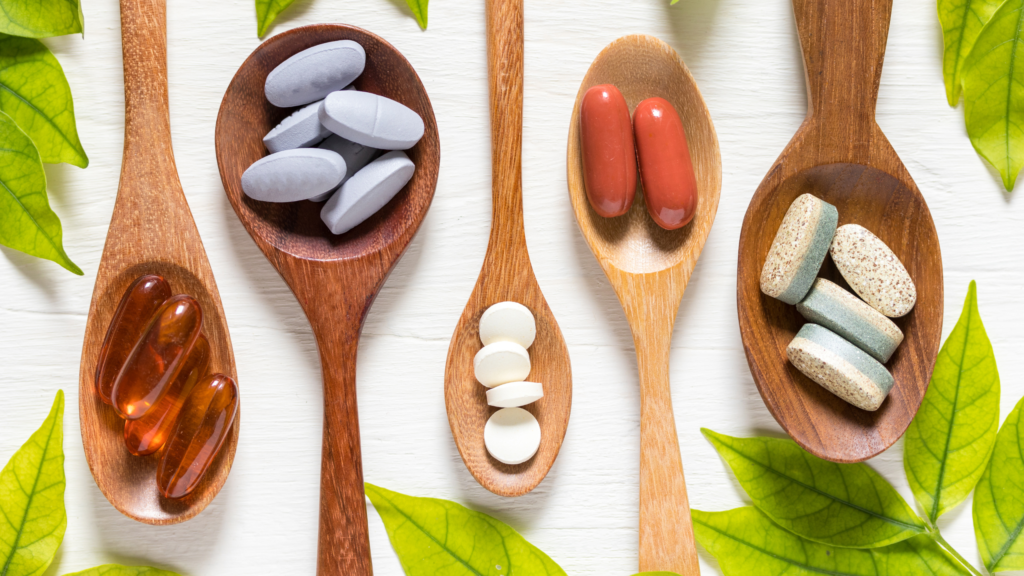
More and more doctors, nutritionists, pharmacists and physical education professionals, in line with many articles, agree that today's lifestyle is not as healthy as it should be, resulting in the majority of cases in more free radicals than the human body is normally able to combat on its own, even with a good diet. This makes antioxidant supplementation (including well-targeted dietary reinforcements) an increasingly considered and used therapeutic option, generally with good results. Although the results vary from one patient to another, the evidence is sufficient for us to make use of it for the benefit of the human being.
To conclude this article, I offer the reader a thought: if antioxidation (neutralization of free radicals) didn't contribute to the treatment of inflammation, damage to cells/tissues, tumours/infections and the promotion of longevity (among many other areas of human health), it wouldn't be among the most studied areas today - and with very promising results. It's worth thinking about.











 Português do Brasil
  English