Vitamin K2: why it's essential and why you may be deficient without knowing it
Interesting facts about her:
It is estimated that more than 90% of the Western population is deficient in this important nutrient.
🟢 Most health professionals don't know vitamin K2, aren't sure what it's used for and still mistakenly believe that ‘vitamin K is all the same thing’, confusing K with K1, K2, etc.
🟢 Vitamin K1 has a procoagulant function, but K2 is fundamental to many functions, including bone health (development, mineral density and strength - including teeth) and the cardiovascular system (heart and circulation, arterial elasticity and prevention of atherosclerosis).
Adults and children need it every day. While adults need around 200 mcg a day, with the most cost-effective forms being K2-MK4 and K2-MK7, children generally need around 50 mcg.
🟢Patients who replace calcium (with or without low doses of vitamin D, even in small quantities) or who are genetically more predisposed to calcifications, when they don't receive adequate doses of vitamin K2, can experience undue calcification in arteries, kidneys and various soft tissues throughout the body. Without it, calcium tends to be deposited in greater quantities in the wrong places, facilitating the formation of calculi or “stones”.
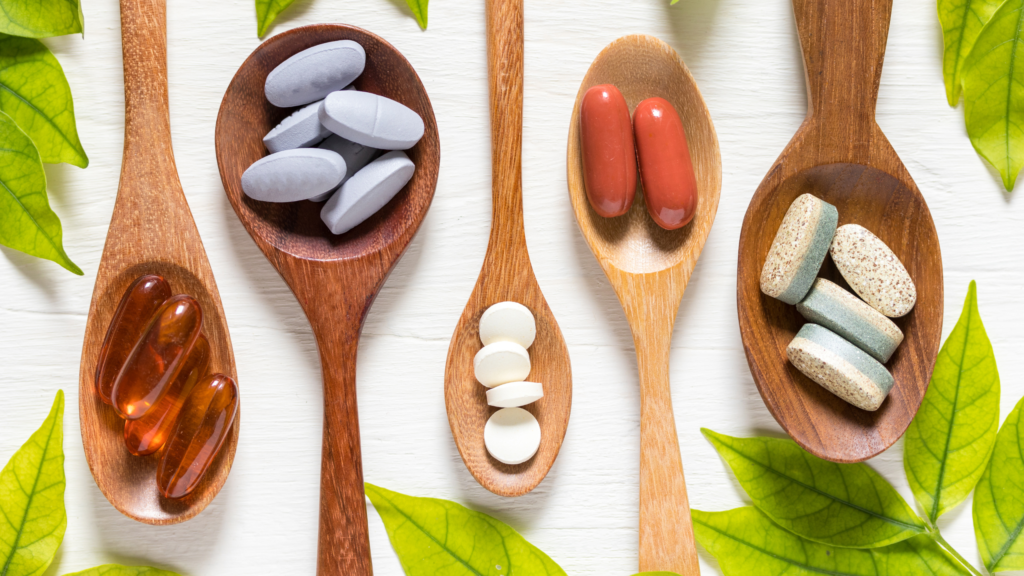
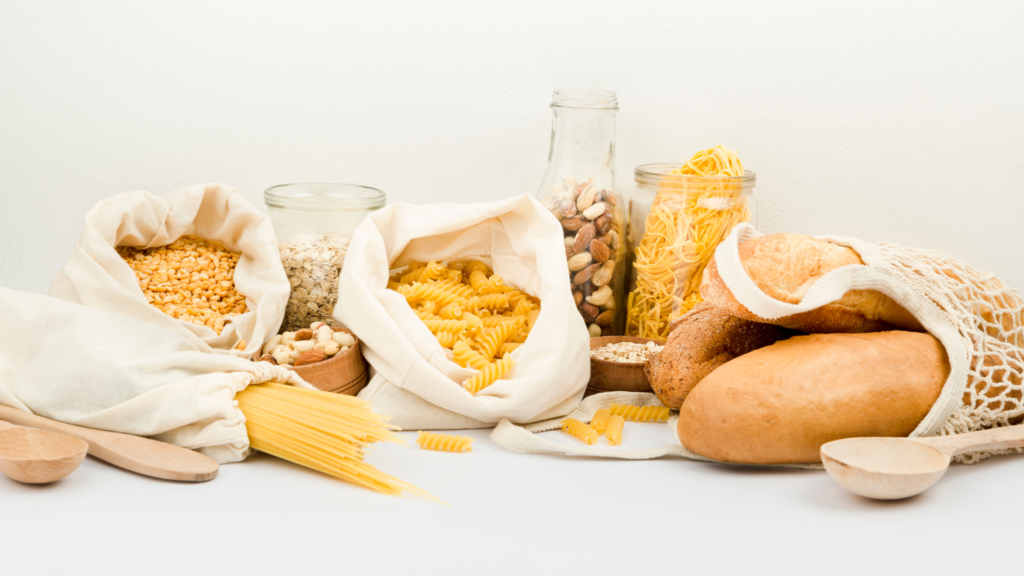
No one “necessarily” needs to take vitamin K2 in supplement form. But if you prefer to get it from food alone, you need to include good, abundant amounts of fermented foods in your diet, such as fermented soybeans - Natto and some cheeses, which are not commonly consumed by most of us.
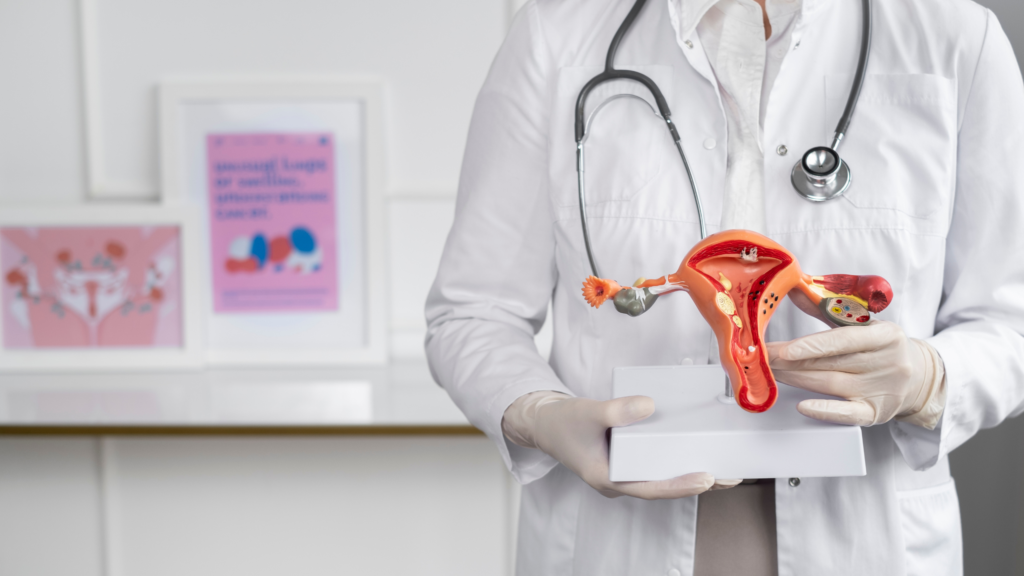
Curiously, vitamin K2 helps increase testosterone in men and reduce androgens in women with PCOS (Polycystic Ovary Syndrome), which improves their clinical condition. In addition, K2 has anti-cancer and anti-diabetic effects, improves the body's ability to use energy during sports and can even relieve the problem of varicose veins.
🟢 Dietary fats are essential for the absorption of vitamin K2. But increased consumption of trans fats, common in poor dietary patterns such as those full of processed foods, can greatly reduce vitamin K2 stores.”
Got the message?
Perhaps you (or most of the people you live with) are lacking in it and need to take it or supplement it, but... you didn't even know it or know all this!
Here's the tip: learn all this and seek out what's best for you, accompanied by good, up-to-date health professionals who know how to work with this content!










 Português do Brasil
  English