Basically, Coenzyme Q10 (CoQ10) is essential for energy production and as an important intracellular antioxidant, but unfortunately its production is reduced by ageing, poor lifestyle habits, various diseases, the use of statins, stress...
But for this and much more, she goes beyond...
Check out why most people benefit from replenishing the different forms of Coenzyme Q10 in the texts below:
Why do most people tend to benefit from daily supplementation with 100 mg (or more, depending on the case) of Coenzyme Q10? Because it can help improve the results of treatments for:
Improved energy levels
Antioxidation (fighting excess free radicals)
High cholesterol
Heart disease
Optimization of immunity
Better sports performance
Fibromyalgia
Fertility
Migraine
Gum disease
Healthier and more functional ageing
✅ Stress: fighting, reducing damage and coping better
Important comments:
This post is informative and in no way intended to prescribe CoQ10 to anyone: if you like the tip, take it to your trusted health professional so that together you can assess its suitability for your case. More on the subject at https://icaro.med.br/Suplementacao/.
No one should use supplements or medicines, apart from in urgent/emergency situations, without first (or together with) improving their lifestyle habits (icaro.med.br/12Passos), otherwise there will be no effect, little or more adverse effects.
September 2019 video on the subject:
Text 1 on Coenzyme Q10, Ubiquinone and Ubiquinol:
(Source: https://www.essentialnutrition.com.br/conteudos/coenzima-q10-para-que-serve-e-como-tomar/):
“COENZYME Q10: WHAT IT'S GOOD FOR AND HOW TO TAKE IT
Coenzyme Q10 is a benzoquinone (C6H4O2) present in practically all the body's cells. However, due to its role in the production of ATP, it is more concentrated in organs with a high energy demand. These include the heart, brain, kidneys and liver.
It is also considered a powerful antioxidant intracellular, protecting the structure of cells from the destruction of the cell wall itself caused by the free radicals produced daily by energy metabolism. It also stimulates mitochondrial biogenesis - in other words, the production of new mitochondria within cells.
It is found in the body in two different forms: ubiquinone and ubiquinol. In simple terms: ubiquinone is needed to produce energy in the form of ATP and ubiquinol has an antioxidant action.
Ubiquinone or ubiquinol, which is the best form for CoQ10?
Neither form of CoQ10 is inferior, inactive or less effective. Both are needed in the body, where they are constantly converted into each other.
When inside the body, CoQ10 switches between the two forms. This occurs in a continuous cycle, according to the body's own needs. So when you take ubiquinol, it can change to ubiquinone and vice versa.
When Coenzyme Q10 supplementation may be recommended:
People who take statins to combat cholesterol have a suppression of coenzyme Q10 synthesis in the body. Several studies indicate a link between low plasma concentrations of coenzyme Q10 and coronary artery disease. In addition, in these people there is a risk of damage to the antioxidant system and to energy production at cellular level.
Studies show that, with free radicals under control and more energy in the cells, there is an increase in women's chances of generating healthy eggs and female fertility is boosted. It has also been found that the reduction in CoQ10 concentrations with advancing age coincides with a decline in fertility and an increase in chromosomal alterations in embryos.
Strengthen defense systems: When oxidative stress occurs, there is a greater demand for the coenzyme, which has an antioxidant function. CoQ10 also inhibits the initiation and interferes with the propagation of lipid and protein oxidation, a property not found in other antioxidants.
In addition, coenzyme Q10 boosts the activity of the NF-kB protein complex, which is involved in the cellular response to stimuli such as stress, free radicals, ultraviolet radiation, LDL oxidation and viral and bacterial antigens. NF-κB also plays a fundamental role in regulating the immune response to infection.
Potential benefits of Coenzyme Q10 supplementation:
Accelerate recovery from surgery: CoQ10 improves the response to surgical trauma. One study showed that supplementing with coenzyme Q10 can significantly increase antioxidant capacity and reduce levels of inflammatory markers in patients recovering from surgery.
Improve sports performance: coenzyme can increase the amount of energy available to the muscles. Research shows that oral administration of coenzyme Q10 can reduce feelings of fatigue and increase physical performance during exercise.
Mitigating fibromyalgia symptoms: a study showed a relationship between CoQ10 supplementation and a reduction in fibromyalgia symptoms. fibromyalgia such as pain, anxiety and depression. There was also a decrease in reports of chronic fatigue and morning tiredness.
Controlling heart failure: studies report that CoQ10 levels tend to decrease in the myocardium of patients with heart failure. Trials of CoQ10 supplementation have reported improvements in the functional parameters of the heart in patients with this disease.
Additional effect:
Studies point to CoQ10 as a potent therapeutic agent for migraines, reducing their duration and frequency.
Factors that reduce CoQ10 production:
The level of CoQ10 in the body can be reduced by a number of factors. These include
1️⃣ Natural decline due to age;
2️⃣ Oxidative stress situation;
3️⃣ Diet rich in simple carbohydrates;
4️⃣ Treatment with statins;
5️⃣ Intense sports practice
CoQ10 supplementation may be recommended for people facing these scenarios.
How to take Coenzyme Q10?
Studies indicate that most of the beneficial effects are obtained with a daily intake of 100mg of CoQ10.
Are all CoQ10 supplements the same?
For supplementation to have maximum effect, it is recommended that it has an identical structure to the CoQ10 produced naturally by the body. This facilitates its absorption.
It can also be supplemented with ingredients that enhance its effects. The presence of tocopherols (vitamin E) and omega-3 can double the bioavailability of Coenzyme Q10. This is because it is absorbed in a lipophilic environment, i.e. one rich in fat.
SOURCE of this excellent Text 1 on Coenzyme Q10, Ubiquinone and Ubiquinol: https://www.essentialnutrition.com.br/conteudos/coenzima-q10-para-que-serve-e-como-tomar/ (I recommend visiting the original site for more information)
Text 2 on CoQ10:
(Source: http://www.lemnisfarmacia.com.br/coenzima-q10-antioxidante-protetor-cardiaco-hepatico-e-imunologico/):
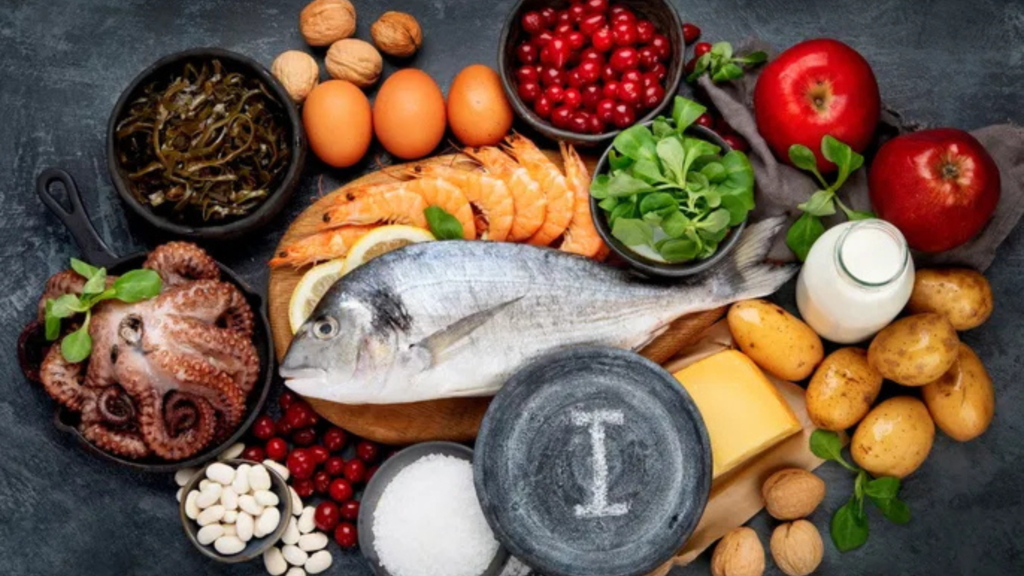
“CoQ10 represents orthomolecular medicine in its truest sense. It is biosynthesized in human tissue, but the organic need for this essential cofactor can also be met by dietary means (found in beef, sardines, spinach and peanuts).
CoQ10 is an almost perfect nutrient or therapeutic agent, due to its low toxicity and because CoQ10 supplementation does not cause any major disturbances in the metabolism of endogenous CoQ10.
Finally, it can have extraordinary effects on the outcome of the treatment of a number of serious morbid conditions.
Some of the biological properties of CoQ10 may explain its biological role: Essential cofactor in cellular energy production. CoQ10 is an essential component of the mitochondrial respiratory chain in the cell and plays an important role in the production of ATP, the main source of cellular energy. CoQ10 can be of great value to patients with severe insufficiency, helping them to turn their general condition around.
Necessary for the efficient use of oxygen. CoQ10 also appears to control the flow of intracellular oxygen. We can understand its action as reducing hypoxia and the impact of ischemia on the heart in conditions of insufficient oxygen supply. Antioxidant properties. CoQ10 has been shown to play a non-specific antioxidant role in the cell and can reduce the potential damage caused by free radicals resulting from the peroxidation of unsaturated fatty acids in the cell.
These biological properties are reflected in nutritional gains and benefits for general health conditions, particularly in the following aspects:
Improves energy production and physical performance. Athletes, particularly those of a more advanced age, can benefit from the use of CoQ10.
Improves cardiovascular function by regenerating damaged tissues and promotes improvement in cardiovascular system disorders such as hypertension.
Prevents and cures periodontal disease. Studying the treatment of periodontal diseases with CoQ10, it was discovered that the affected gum tissue was deficient in CoQ10, while the healthy tissue of the same patients was not.
Stimulates the immune system. CoQ10 stimulates the weakened or compromised immune system, improving not only the production of antibodies and T lymphocytes, but also increasing phagocytic activity. Increases intracellular energy flow.
Neutralizes free radicals. It is an important part of the cell's antioxidant defense system. CoQ10, in addition to serving as a cofactor for energy production, functions as an antioxidant as effectively as vitamin E in heart tissue, but less efficiently in liver tissue. This study suggests that CoQ10 supplementation should be included in any comprehensive antioxidant program.
Slows down the aging process. The anti-ageing property may be due to CoQ10's ability to improve the energy status of cells and increase the efficiency of oxygen utilization. Studies have shown that CoQ10 content decreases with age, especially in heart and liver tissue. By protecting cells against peroxidation, CoQ10 increases the tolerance of elderly and sedentary people to physical exercise and can correct immune system failures.
The decline in CoQ10 levels may be a possible explanation for a number of conditions associated with ageing, such as greater vulnerability to bacterial and viral infections or a higher prevalence of periodontal diseases. Studies carried out on mice given CoQ10 have shown partial age-related declines in immune function. In addition, CoQ10 was found to have the ability to alleviate possible toxic effects of drugs commonly used to treat diseases more prevalent in the elderly, such as neoplasms and hypertension.
Longevity studies in rats showed that weekly CoQ10 supplementation (in emulsion form) significantly increased lifespan when treatment was started at the mid-point of life expectancy. The doses used in rats were roughly equivalent to the 30 milligrams per day dose of CoQ10 used in humans.
INDICATIONS:
✔️ Strengthen the immune system;
✔️ Helps heart cells work more efficiently;
✔️ Increase the heart's pumping capacity;
✔️ Increase oxygen absorption by heart muscle cells;
✔️ Helps to recycle Vitamin E in the body, as well as boosting its potency;
✔️ Treat kidney failure;
✔️ Eliminate side effects of heart failure drugs;
✔️ Prevent oxidative damage from free radicals;
✔️ To combat stress; To be the main fuel for mitochondria (responsible for energy production in the cell);
✔️ Protects mitochondria, preventing degenerative brain diseases such as gradual memory loss, Alzheimer's disease and Lou Gehrig's disease;
✔️ It acts as an oxidizing agent within the mitochondria, destroying peroxide radicals once they have formed.”.
(Source, with even more material on: http://www.lemnisfarmacia.com.br/coenzima-q10-antioxidante-protetor-cardiaco-hepatico-e-imunologico/)
MY TIP:
When your good health professional recommends Coenzyme Q10, be sure which form they recommend and for which indication, as Ubiquinol is different from Ubiquinone (although there is conversion from one form to the other, according to the organic needs of each part of the body).
And one more tip: to improve absorption even more, buy capsules and, when you take them, open them and leave the powder under your tongue for 5 minutes before swallowing. This greatly improves the absorption and use of the substance!













 Português do Brasil
  English