VIDEO 1 - Healthy Living Habits - with Dr. Alain Dutra
VIDEO 2 - Healthy Lifestyle Habits - What they are and why they matter most for HEALTH
VIDEO 3 - What YOU NEED TO UNDERSTAND in order to do the RIGHT THING and improve your HEALTH
What can a person with occasional numbness in their arms and legs have in common, another with a feeling of easy tiredness, yet another whose bowels only work every three days or even at longer intervals and a final one with a problem of excess weight? I'd say without hesitation: poor lifestyle habits.
Ancient populations already knew that a proper life did not include pathologies such as those we have today: hypertension, diabetes, stress, migraines and joint pain, which are merely examples of modern illnesses that can be easily improved and sometimes even cured by simply adapting daily lifestyle habits. The big question is: among so many factors that are harmful to health that we are exposed to, or that we premeditatedly expose ourselves to, today, some of which are “immutable” or difficult to adapt to, what should we prioritize? The answer lies in the so-called “health tetrad”, as follows:
- Adequate and well-distributed water intake;
- Food at regular intervals;
- Daily consumption of fiber-rich foods;
- Regular aerobic exercise.
WATER
The correct water intake has already been covered in a previous article; it should be around 2.5 liters of water per day for a person weighing approximately 70 kg with moderate physical activity. It's important to remember that this amount should be distributed evenly throughout the day, which corresponds to one 200 ml glass per waking hour, away from meals. It is always recommended to avoid drinking liquids at the same time as meals so as not to slow down and impair normal digestive processes.
REGULAR NUTRITION
There's no question that the quality of the food you eat should be monitored. A balanced diet, in terms of the amount of fats, carbohydrates, proteins, minerals, fiber and vitamins, is ideal. What few people know, however, is that the frequency of daily meals is also very important for the success of a diet. Ideally, you should eat between 5 and 6 meals a day, depending on your waking hours, i.e. eat every 2 hours (maximum 3). It's worth noting that this approach doesn't make you fat; on the contrary, it can help you lose weight. As an example, let's consider a camel that eats and then goes for days, or even weeks, without eating or drinking liquids again. Its body is adapted to accumulating as many nutrients and energy as possible at each meal, especially in the form of fat, in order to provide for itself during the long periods of fasting it will face.
One small detail, though: we are not camels! If the human body perceives that there are few meals a day, it will try to accumulate as many nutrients and energy as possible with each meal, anticipating routine fasting. Energy stores are mainly made up of fat, so those who increase the time between meals too much, in the medium and long term, tend to put on weight, contrary to popular belief. Low-calorie diets, which don't take into account the number of meals a day and the interval between them, force the body to seek energy quickly through other means, mainly by “breaking down” muscle fibers. This leads to a loss of “lean mass”. This muscle loss can create a false illusion of healthy weight loss. However, soon after the diet, it is common for the person to regain the lost weight, but in the form of fatty deposits.
How can eating every two hours help you lose weight? It's simple: if the body realizes that it doesn't need to store energy in large quantities, it produces less fat.
However, the accumulation of fat, which has a high potential to lead to obesity over time, is not the only problem with the bad eating habits mentioned above. The drop in blood glucose levels that occurs during fasting between meals can cause dizziness, lack of concentration, numbness in the body and even fainting.
It is therefore easy to conclude that it is essential never to go longer than three hours without eating some kind of food.
HIGH FIBER DIET
The human body deals with a large amount of toxins on a daily basis, whether they come directly from the environment, air, food and so on, or are produced by the body itself. These toxins negatively affect any tissues that accumulate them, which is often the starting point for various diseases. One of the main and most effective ways of excreting toxins from the body is through feces, which are properly formed in the presence of two basic ingredients: water and fiber.
These fibers, also called “dietary fibers”, are found in abundance in simple foods such as leafy greens, fruits (especially those with pomace) and cereals (for example, oats and whole wheat bread). When they come into contact with water in the intestine, they increase in size, giving consistency and integrity to the fecal bolus, which can then be properly propelled out of the body through intestinal movement (peristalsis). It is therefore clear that an adequate intake of fiber plays a fundamental role in the optimal functioning of the intestines.
If the daily intake of fiber is insufficient, various health problems can arise, including:
- Constipation: Also known as “trapped intestines”, it can cause bleeding, headaches and abdominal pain, nausea, among other symptoms.
- Flatulence: Often referred to as “gas”, it usually stems from excessive fermentation of food inside the intestines. This is mainly the result of a slow bowel rhythm, with fewer bowel movements than necessary, and is also influenced by the type of diet an individual eats.
- Diarrhea and intestinal infections: The gut is home to bacteria that help it function, known as “saprophytes” or “commensals”, such as some lactobacilli, which are usually present in large numbers. The accumulation of toxins can lead to the death of these bacteria and the proliferation of others, the so-called “pathogens”, which cause disease.
- Nutritional deficiency: An “intoxicated” intestine is unable to carry out its functions properly. As a result, the absorption of nutrients, especially vitamins and minerals, is impaired, contributing to the appearance of common conditions such as anemia and osteoporosis, particularly in the elderly.
Adequate daily fiber intake is therefore recommended. But how should this be achieved? The nutritionist is the best professional to adapt this intake to individual needs and should always be consulted. However, in general, it can be recommended:
- Breakfast: You should always include a piece of fruit or a cereal, such as oats.
- Lunch: Include plenty of green leafy salad (well washed).
- Dinner: Follow the same guidelines as for breakfast and lunch, adapting them according to the characteristics of the intended meal.
REGULAR PHYSICAL EXERCISE
Last but not least is regular exercise. In the past, it was believed that exercise had to be “sweaty”, i.e. intense. Today, it is understood that even a 40-minute walk three times a week can be enough. Therefore, the improvement in physical and mental health provided by practicing sport is not exclusive to professional athletes. It's worth remembering that there are basically two types of physical activity: aerobic and anaerobic. The first type includes activities that promote and depend on proper breathing, such as running, cycling, hiking and swimming, allowing for the acquisition and maintenance of physical fitness; while anaerobic exercises focus mainly on gaining muscle mass, as is the case with bodybuilding. So, when we talk about physical exercise in this article, we are referring to the aerobic type. But what are the benefits of this type of exercise? Let's take a look:
- Improved cardiovascular function and endurance; a stronger heart works less hard to fulfill its usual function, which naturally prevents pathologies such as heart attacks and strokes;
- Increased muscle strength, size and flexibility, while burning fat; unused muscles gradually become smaller and less elastic;
- Aerobic exercise promotes blood circulation by “pumping” more blood through the veins and arteries, increasing their caliber and strength, which prevents pathologies such as thrombosis, varicose veins and the accumulation of substances on the walls of these vessels;
- Increased “good” cholesterol, HDL, which helps reduce total cholesterol, unclog vessels and prevent new blockages;
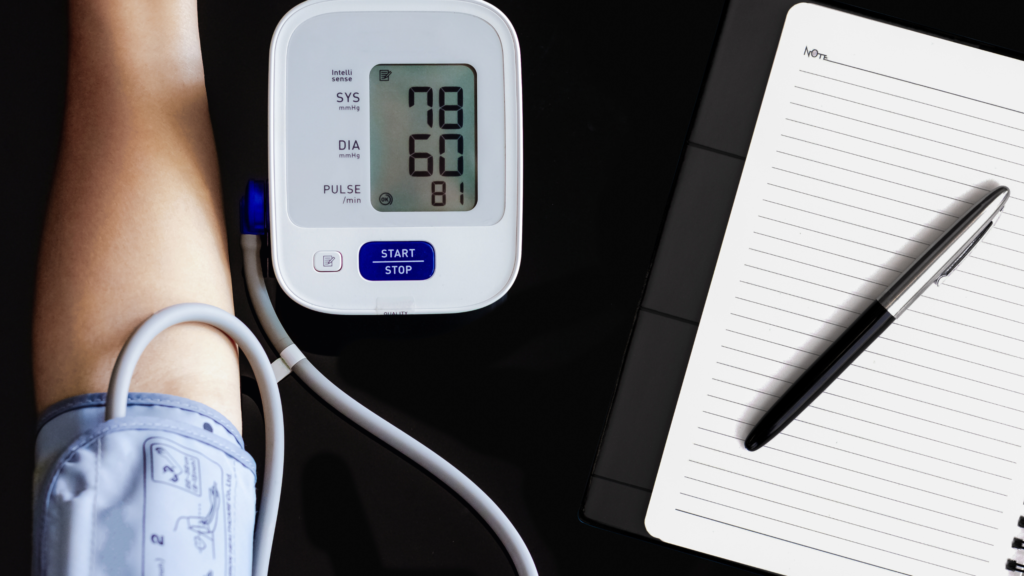
- Reduced blood pressure;
- Improved respiratory function, which increases your willingness to carry out daily activities and other everyday physical activities, such as climbing stairs and walking;
- Helps relieve stress, improving daily productivity.
Of course, physical exercise capable of providing all the benefits mentioned above requires a character, duration, intensity and other characteristics that vary according to each person. Therefore, the most suitable professional to suggest and accompany this practice is undoubtedly the physical education teacher. In addition, it is crucial to have a medical assessment before starting any serious sports program, in order to avoid unpleasant surprises associated with disregarding individual health limitations. In general, however, a walk of around 40 minutes, three times a week, preceded and followed by adequate stretching, is a good start.
In short, following these simple guidelines on a daily basis has been shown to be more effective than various treatments, whether drug-based or not, helping to prevent health problems and promoting well-being. They are simple, easy to apply and really effective measures that only require a small amount of effort and discipline, as well as having the added advantage of being economical.













 Português do Brasil
  English