For those who care for the elderly and want to do it well, here are a few tips:
The majority of older people take less and less care to improve/maintain their healthier lifestyle habits, the more medication they use - it seems that they tend to entrust their health too much to medication and forget and devalue the care they should be taking, increasingly and optimally, for themselves!
Understand that the main causes of illness in the elderly are:
Dehydration (most people drink less water than they should because they expect to feel thirsty)
Malnutrition (poor nutrition - they often think they eat properly, but in fact they don't)
Sedentary lifestyle
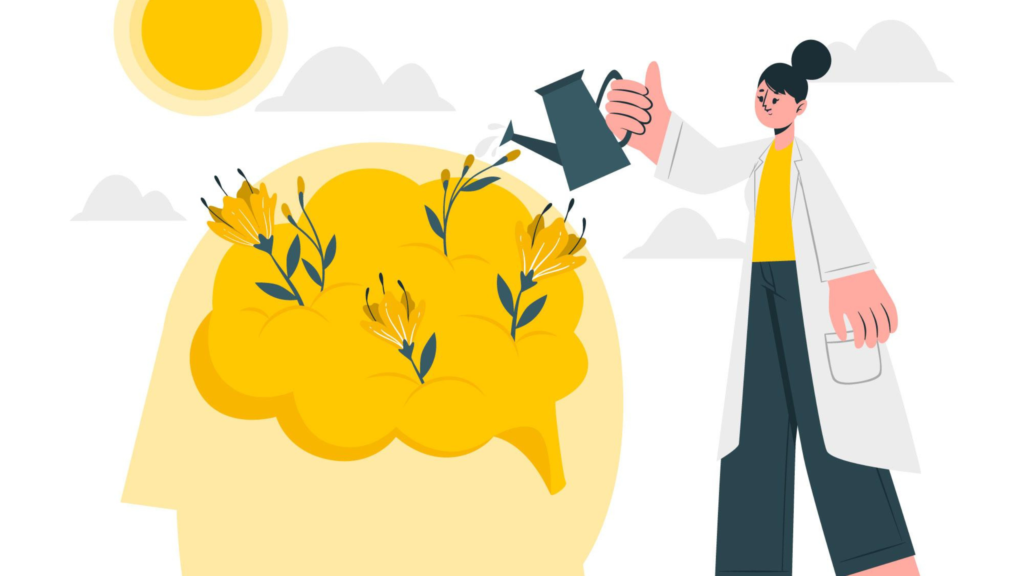
✅ Lack of brain activity, “jobs”, tasks, challenges and pleasurable activities
Social isolation
Act on these factors and good results are sure to follow! In other words: the basis of health, even for the elderly, is to improve their lifestyle habits - learn how here, easily, directly and effectively:

Advanced tips:
- Each elderly person may have very specific needs, which may even go against some of the information in this text: this is due to the individuality of each human being, which must always be taken into account!
- The elderly don't just need care: they also need affection; it's not enough just to have someone to pay their bills and provide for their survival: it's more than desirable to have someone who gives sensitive attention, affection and love.
- Competent medical supervision, preferably with experience in caring for the elderly (and the peculiarities of ageing), who is humane and interested, is a must: many disorders start out “small” or are ignored/disregarded but tend to evolve and become associated with rapid and significant impairment to quality of life.
- Encourage independence: as much as possible, older people should be encouraged to take an interest in their lives and take responsibility for tasks of real importance, also to feel useful and part of the social context.
- Encourage the interest and practice of individual care, both with your appearance and your interests.
- Nutritional support is essential.
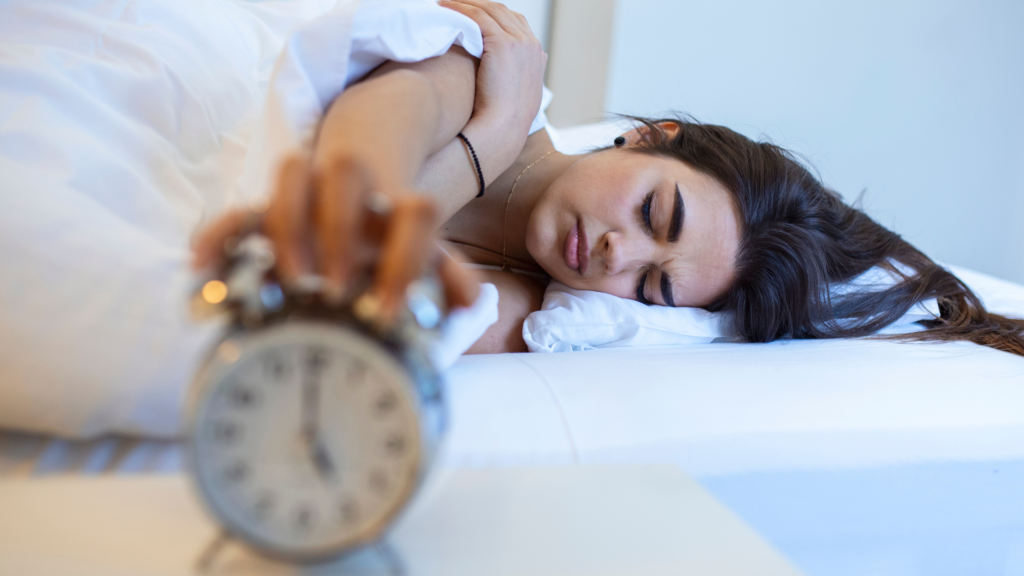
- Avoid excessive naps during the day: they will impair sleep at night, which is the most physiological.
- The use of medicines and supplements should be periodically re-evaluated by competent professionals, in order to better adjust doses and minimize side effects, drug interactions, misuse and even overuse; in many cases, unfortunately, there are elderly people using several medicines at the same time where, not infrequently, the use of some medicines serves mainly to combat the adverse effects of others.
- The ideal is to stop smoking and drinking alcohol, but if this isn't possible, they should be significantly reduced: if intoxication is bad enough for a young body, imagine for an aging body, which therefore has less effective detoxification potential!
- Psychological support is often welcome, as a growing “lack of interest in life” or “expectation of a near death” is common.
All of these tips are based on my personal experience of caring for elderly people in my practice for over 20 years. There is no intention here to replace consultations with health professionals you trust, to overwrite their advice (except on your own responsibility) or to pass on information that is universally and indisputably correct: not least because I can think of only one “absolute truth” in health: that only those who maintain good lifestyle habits can achieve and maintain good health!












 Português do Brasil
  English