1. WHAT IS CORTISOL
Definition and essential functions
- “Survival hormone” produced by the adrenal glands (adrenal cortex)
- Primary glucocorticoid with more than 50 related hormones
- Derived from cholesterol via the pathway: Cholesterol → Pregnenolone → Progesterone → Cortisol
Vital Functions
- Energy metabolism: mobilizes glucose through gluconeogenesis
- Immunomodulation: powerful natural anti-inflammatory
- Response to stress: activates “fight or flight” mechanism (survival)
- Blood pressure: maintains vascular reactivity
- Cognition and memory: essential for brain function
- Bone and muscle formation: regulates protein synthesis
- Circadian rhythm: dictates the sleep-wake cycle
“Its absence in the human body proves fatal in a matter of days”
2. CIRCADIAN RHYTHM OF CORTISOL (NATURAL CYCLE)
Standard Normal
- 6 a.m.: maximum PEAK (generally allows “energized awakening” at this time)
- 12-14h: Gradual reduction
- 4pm: Second lowest peak
- 11 p.m.: LESS quantity (as preparation for sleep - needs to be low)
- 00h: Minimum levels, for rest
Inverted Pattern (Chronic Stress)
- High cortisol at 22-23h → insomnia, difficulty sleeping
- Low cortisol in the morning → waking up exhausted, without energy
- People perform better at night (“unnatural” pattern: harmful in the medium and long term)
- Increased risk of chronic and neurodegenerative diseases
3. HOW TO MEASURE CORTISOL
Diagnostic Methods
A) Salivary Cortisol (best for circadian rhythm and checkups / monitoring)
- Measures free cortisol (biologically active - only 5-10% of the total)
- 4 collections on the same day:
- 8 a.m. (wake up)
- 12h (noon)
- 16h (afternoon)
- 11pm (before bed)
- Non-invasive, can be done at home
- Usually only 3 samples are taken for “health plans” to authorize: 8, 16 and 23h.
B) Serum Cortisol (Blood) - NOT the best - “complementary”, only
- Morning cortisol (ideal: 8 a.m., fasting)
- Reference values:
- Normal: 15-25 μg/dL (445-766 nmol/L)
- Below 15: suspicion of adrenal fatigue
- Above 25-26: excess (Cushing's)
C) Interesting complementary tests
(The ideal is to dose together)
- ACTH (adrenocorticotrophic hormone) - stimulates the adrenal glands
- DHEA-sulfate (DHEA-S) - marks adrenal function
Why?
- DHEA drops when adrenal glands are failing (Cortisol may be “falsely normal” when the body is compensating)
- High ACTH + low DHEA = adrenal fatigue set in
- Cortisol/DHEA-S ratio assessment can help
D) 24h Urinary Cortisol
- Evaluates total daily production
4. SYMPTOMS OF ALTERED CORTISOL
HIGH CORTISOL (Acute/Initial Chronic Stress)
- Insomnia (especially at night)
- Anxiety, irritability
- Abdominal weight gain (belly)
- Hypertension
- Insulin resistance / diabetes
- Acne, oily skin
- Loss of muscle mass
- Osteoporosis
- Paradoxical low immunity
- Difficulty concentrating
- Reduced libido
LOW CORTISOL (“Adrenal Fatigue” / Late Phase)
- Extreme tiredness on waking (non-restorative sleep)
- Lack of energy during the day
- Muscle weakness, decreased strength
- More inflammation and even allergies and “hypersensitivities”
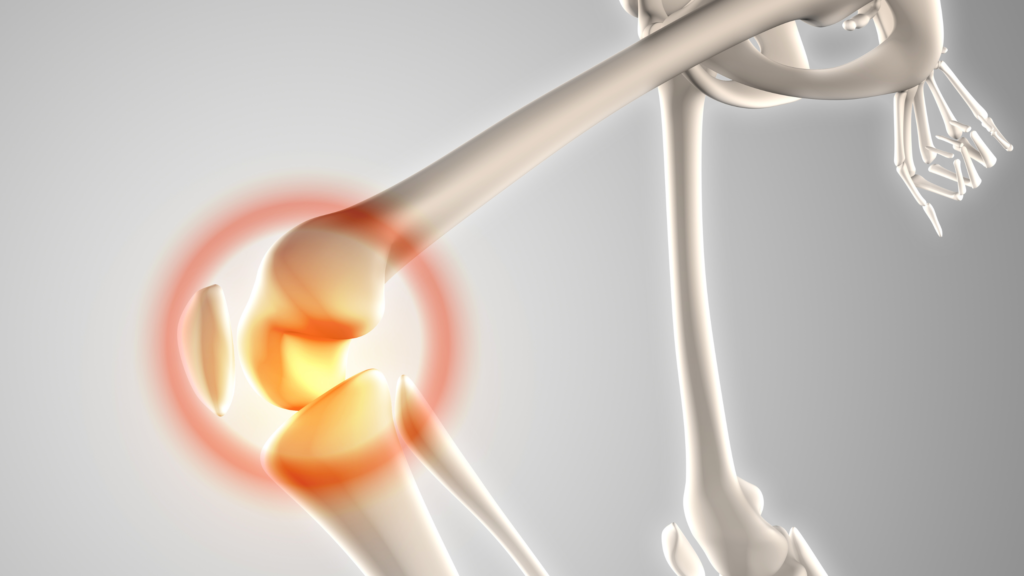
- Joint and muscle pain
- Lack of appetite
- Hypotension (pressure drops, dizziness)
- Repeat infections (low immunity)
- Craving for salt
- Hypoglycemia (need to eat every 2-3 hours)
- Deep dark circles
- Generalized sagging (back, abdomen) - loss of collagen
- Dry heels
- Dry skin, brittle hair and nails
- Mental confusion, poor memory
- Depression, lack of motivation
5. CAUSES OF CORTISOL IMBALANCE
HIGH cortisol
- Chronic stress (work, toxic relationships)
- Too many screens and artificial light at night
- Inflammatory diet (sugar, refined carbohydrates, trans fats)
- Excess caffeine
- Very intense exercise every day
- Environmental pollution and toxins
- Constant sensationalist news
- Sleep deprivation (2 nights of poor sleep already raises cortisol)
LOW Cortisol
- Adrenal gland dysfunction (adrenal fatigue)
- Chronic depression
- Inflammation and chronic infections
- Pituitary tumors
- Abrupt discontinuation of corticosteroids (chronic use inhibits natural production)
- Prolonged chronic stress (final phase - adrenal exhaustion)
- Pregnenolone theft: too much cortisol consumed → no pregnenolone left to be converted into progesterone/DHEA
6. HOW TO MODULATE CORTISOL - ORTHOMOLECULAR APPROACH
A) 9 NATURAL OPTIONS to think about (based on Dr. Alain Dutra)
1. L-THYROSINE
- Dopamine precursor amino acid
- Reduces noradrenaline (stress neurotransmitter)
- Preferably in the morning, fasting
2. L-THEANINE
- Green tea amino acid
- Promotes “focused calm” without sedation
- Increases alpha brain waves
3. MINERAL BALANCE
- Magnesium: 300-600 mg/day (essential for adrenal function)
- Potassium: through vegetables
- Calcium and Zinc: adrenal support
- Sodium: lack of salt stimulates cortisol production
4. GABA (Gamma-Aminobutyric Acid)
- Calming neurotransmitter
- Crosses the blood-brain barrier and also acts on the brain via the intestines
- Can help during the day and before bed
5. ASHWAGANDHA
- Most studied adaptogen
- Proven to reduce plasma cortisol
- Improves sleep quality
- Use at night for light sedation and sleep
6. MAGNOLIA OFFICINALIS
- Increases DHEA (cortisol antagonist)
- Protects against “pregnenolone theft”
7. NAC (N-Acetylcysteine)
- Controls excesses of noradrenaline
- Increases hepatic glutathione
- Detoxifies the liver (essential for hormone metabolism)
8. VITAMIN C
- Consumed in excess by the adrenals during stress
- Essential for cortisol synthesis
- Natural sources: lemon, camu-camu, acerola, açaí (with bioflavonoids)
- The ideal is to use it several times a day
9. COMPLEX B (prefer to replace active forms)
- B6 (as P-5-P): helps in the production of GABA (from glutamate), calms nervous system
- B5 (Pantothenic Acid): cofactor for cortisol synthesis
B) More ADAPTOGENS to consider, to help
RHODIOLA ROSEA
- Natural stimulant (use in the morning/pre-workout)
- Improves energy, focus, physical performance
- Normalizes cortisol (prevents excess and deficiency)
SIBERIAN GINSENG (Eleutherococcus)
- Increases resistance to stress
CORDYCEPS
- Mitochondrial and energy support
- Adrenal recovery
HOLY BASIL (Tulsi)
- Modulates HPA axis
SCHISANDRA CHINENSIS
- Hepatic and adrenal adaptogen
C) HORMONE REPLACEMENT
When to Consider Replacement - In general
- DHEA-S < 100 μg/dL
- Morning cortisol < 10 μg/dL
- Elevated ACTH (> 46 pg/mL)
- Severe symptoms of adrenal fatigue
Precursor Hormones
1. PREGNENOLONE
- “Mother of all steroid hormones”
- Use sublingually or orally
- If dosing, it is recommended in saliva
- Action: more cerebral, excitatory, increases energy
2. PROGESTERONE
- Direct precursor of cortisol
- Action: more calming, improves sleep
- Benefits:
- Reduces excessive cortisol
- Calm down adrenaline
- Improves GABA
- Protects neurons
DHEA
- Natural cortisol antagonist
- Use in the morning (in the early evening, exceptionally, if you want to reduce nocturnal cortisol)
- Dose DHEA-S (SDHEA) to adjust
HYDROCORTISONE BASE (“Bioidentical Cortisol”)
- Identical form to natural cortisol
- Does not cause the side effects of synthetic corticosteroids
- Objective: to mimic/potentiate physiological peaks when necessary
D) LIFESTYLE CHANGES (7 PROVEN WAYS)
(Optimizing your lifestyle is always the first, fundamental step and can often lead to not needing the modulations and even hormone replacements above, or to needing lower doses and enabling them to work better.)
1. QUALITY SLEEP
- Night rituals:
- Low light after 8pm
- Screens off 2 hours before bedtime
- Dark and cool room (18-21°C)
- Sleeping before 11pm
- Supplements that can help: melatonin, magnesium 400 mg (from elemental magnesium)
2. BALANCED EXERCISE
- AVOID: overtraining (can lead to chronic high cortisol and then exhaustion)
- PREFER:
- Yoga, tai chi, nature walks
- Strength training 2-3x/week
- Moderate interspersed cardio
- Adequate rest between workouts
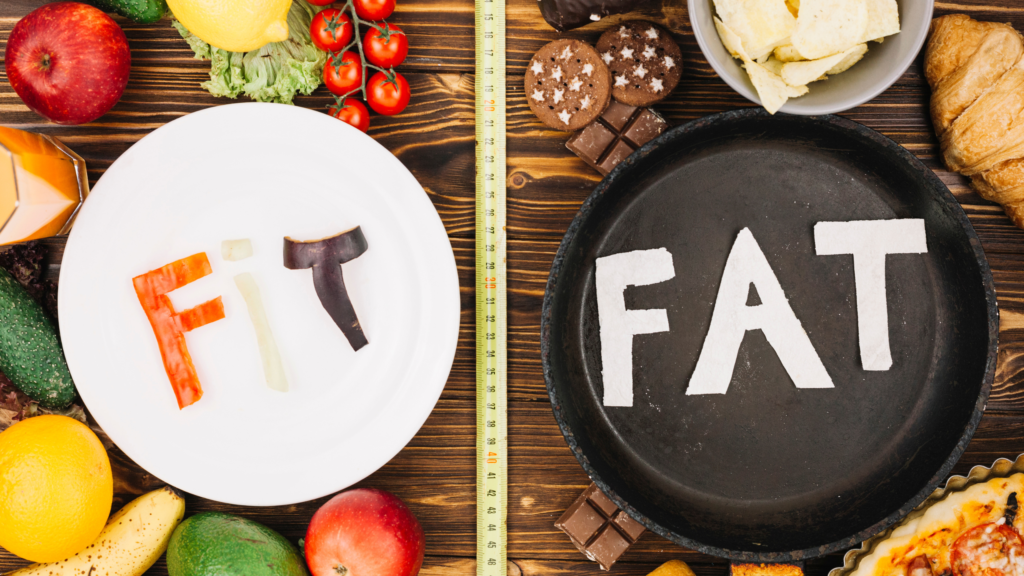
3. ANTI-INFLAMMATORY DIET
Include
- 7-10 cups of vegetables/day
- Turmeric, ginger, leafy greens
- Good fats (avocado, olive oil, oilseeds)
- Quality proteins
- Healthy carbohydrates: metabolism needs energy
Avoid
- Sugar and refined carbohydrates
- Trans fats and refined vegetable oils
- Excess caffeine (especially in the evening)
- Alcohol
- Processed foods
4. BREATHING 4-7-8
- Inspire: 4-stroke
- Retain: 7 strokes
- Exhale: 8 strokes
- Effect: activates parasympathetic, reduces cortisol immediately
- Do 2x/day, 5-10 cycles
5. MORNING SUNLIGHT
- 10-30 minutes in the first 2 hours after waking up
- Readjusts circadian rhythm
- Suppresses nocturnal rise in cortisol
6. RELAXATION PRACTICES
- Mindfulness meditation
- Restorative yoga
- Breathing techniques
- Time in nature (without headphones)
- Gratitude and journaling
7. STRESS MANAGEMENT
- Avoiding toxic relationships
- Reduce exposure to negative news
- Setting healthy limits
- Cognitive-behavioral therapy if necessary
E) MORE “SPECIFIC” NUTRITION FOR ADRENALS
Foods that Support Cortisol Production
- Healthy fats: avocado, coconut, olive oil (cortisol is derived from cholesterol)
- Unrefined sea salt: support for aldosterone
- Foods rich in B vitamins, iron
- Cruciferous vegetables: liver support for hormone metabolism
- Citrus fruits: vitamin C
Avoid
- Aggressive intermittent fasting in adrenal fatigue
- Very low-carb diets (can raise cortisol)
7. CORTISOL/DHEA-S RATIO
Recent Find (2025)
- Alzheimer's patients often have:
- Elevated cortisol
- Low DHEA-S
- Distorted Cortisol/DHEA-S ratio
Mechanism
- Chronic stress → high cortisol → damages neurons
- DHEA-S is neuroprotective (antioxidant, anti-inflammatory)
- Cellular energy deficit → cortisol compensates → accelerates cognitive decline
Prevention
- Monitor Cortisol/DHEA-S ratio annually
- Modulate stress early
- “Healthy carbohydrates” and in moderation (energy metabolism)
- Natural progesterone (reduces cortisol)
- Thyroid support (interconnected hormones)
8. PRACTICAL PROTOCOL - 7-DAY RESET
(it can help in many cases, along with general lifestyle improvements, as I explain on dominesuasaude.com.br for free and in full)
Day 1-7
- Caffeine AFTER breakfast (not on an empty stomach)
- Breathing 4-7-8: 2x/day (morning + evening)
- Sunlight: first 60 min after waking up
- Stable meals: avoid glycemic spikes
- Ashwagandha: 300-500 mg in the evening
- Going to sleep before 22:30
- Reduce intense training (light walking)
Objective
- “Turn off” chronic warning system
9. WHEN TO SEEK competent medical support
Warning signs
- Disabling fatigue (does not improve with rest)
- Severe hypotension (< 90/60)
- Hyperpigmentation of the skin (Addison's disease)
- Unintentional weight loss
- Compulsive craving for salt
- Symptoms do not improve with supplementation after 3 months
- Suspicion of Cushing's Syndrome (weight gain, stretch marks, full moon face)
10. IMPORTANT HORMONAL CONNECTIONS to consider
Cortisol and Other Hormones
Thyroid
- High cortisol → converts T3 into rT3 (inactive)
- Adrenal fatigue often leads to (or is associated with) functional hypothyroidism
Testosterone/Estrogen
- Cortisol inhibits GnRH → testosterone/estrogen drop
- Low DHEA → less precursor for sex hormones
Insulin
- Cortisol is an insulin antagonist
- Chronic cortisol → insulin resistance → type 2 diabetes
Progesterone
- They compete for the same metabolic pathway
- Stress “steals” pregnenolone to make cortisol
- Lack “generates” estrogenic predominance in women
GH (Growth Hormone)
- Cortisol is needed to activate GH/IGF-1 receptor
- No functional cortisol → GH does not act properly
EXECUTIVE SUMMARY - KEY POINTS
- Cortisol is essential - it's not a villain, it's the hormone of life
- Circadian rhythm - high in the morning, low at night (fundamental)
- Dose the trio: Cortisol + ACTH + DHEA-S (not just cortisol alone)
- Salivary cortisol - best for assessing circadian rhythm
- Chronically high cortisol is bad; chronically low cortisol is also bad
- HPA axis dysfunction (“adrenal fatigue”): chronic stress → high cortisol → exhaustion → low cortisol
- The basics: low cortisol = no energy, bad mood, inflammation, allergies; high cortisol = acceleration, high glucose, bloating and fattening, muscle breakdown
- Supplements and herbal medicines that should be considered, “for cortisol” (always together with good lifestyle habits): L-tyrosine, L-theanine, minerals (Mg, K, Ca, Zn, Na), GABA, ashwagandha, magnolia, NAC, vit C, B complex; Ashwagandha (evening), Rhodiola (morning)
- Hormone replacement may be necessary (evaluate tests and clinic): Pregnenolone, Progesterone, DHEA and optimize thyroid hormones
- Lifestyle is fundamental, such as good sleep (preferably before 11pm), sunlight in the morning, proper and deep breathing, moderate exercise
- Food: anti-inflammatory, avoid excessive sugar/caffeine
- Cortisol/DHEA-S ratio: high? Marks worse and faster aging and neurological risk













 Português do Brasil
  English