How much exercise do you need to improve your health?
Answer: The more you do, as long as it doesn't harm you, the better it will be for you. In other words, the little you do on a regular basis is already a good start and will bring you benefits! Whether it's enough for your goals is another story. Seek advice from a good physical education professional whenever possible, but “moving” regularly, whether it's walking, dancing, cycling, gymnastics or whatever, is already a start that brings results! Read on and see for yourself: https://time.com/3677063/exercise-recommendations-unrealistic/
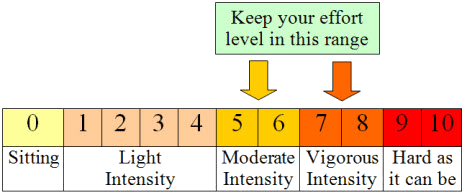
Set realistic goals for yourself: after all, when you achieve them, this will bring positive reinforcement. If your goals are too difficult, not being able to achieve them to your satisfaction will pull you “down”. You climb a ladder rung by rung, remember? Everyone goes at their own pace, but the important thing is to keep climbing!
No more radicalism... No more “8 or 80"... Common sense, people!
The basics of physical exercise are this: have individualized monitoring by a good physical education professional, who values healthy lifestyle habits as a whole and knows how to work well as part of a team with other health professionals.
See more at: http://icaro.med.br/exercicio-fisico-regular-dicas-rapidas
> Complaints about the article I quoted at the beginning of this text and the Time article? Please address them to the magazine, to http://www.bmj.com/thebmj or the noble researcher Philippe de Souto Barreto, from the University Hospital of Toulouse in France, author of the interesting study. He wrote: “Getting inactive people to do a bit of physical activity, even if they don't meet the official recommendations of 150 minutes a week, can provide greater health gains for the population” (he says this in comparison to what many people say out there, that just a bit of any exercise doesn't bring any benefit).
















 Português do Brasil
  English