Inflammation, within the orthomolecular and integrative approach, is a vital defense mechanism of the body, but it becomes dangerous when it is in excess or in a subclinical chronic form.
Concept of Inflammation
Inflammation is the body's natural response to protect and repair tissues against aggressions such as infections, trauma or toxins. In the orthomolecular context, it is understood to occur whenever there are biochemical imbalances, nutritional deficiencies or the presence of harmful agents, and serves to eliminate, neutralize and repair cell damage.
Function of Inflammation
The main function of inflammation is to promote immediate defense against aggressors and enable tissue regeneration. It mobilizes the immune system, increases local blood flow and triggers the release of chemical mediators that contribute to the fight against threats and to the body's recovery.
Signs of Inflammation
The classic signs of inflammation are
Heat (local temperature rise)
Flushing (redness)
Tumor (swelling)
✅ Pain
✅ Loss of function
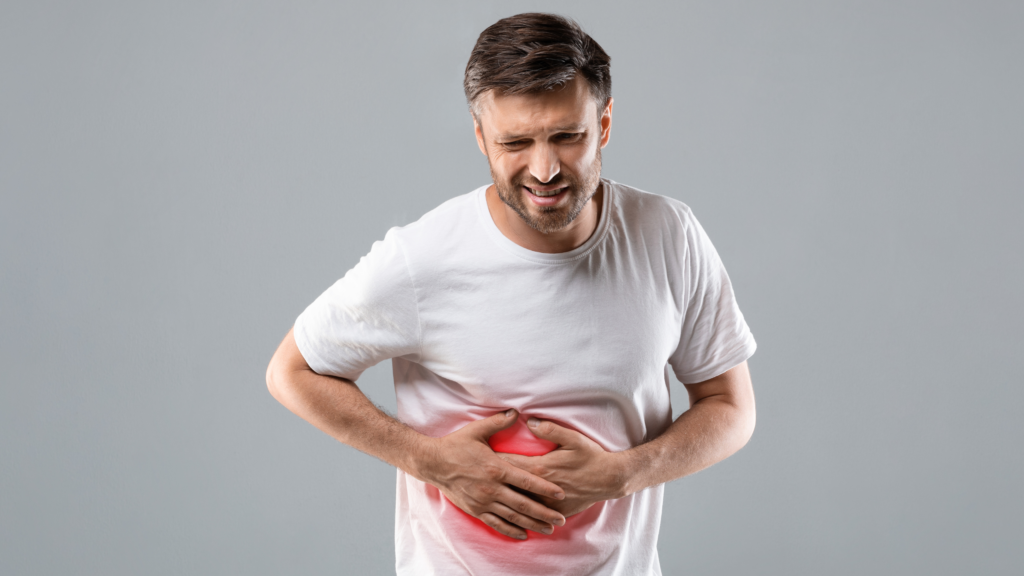
From an integrative perspective, symptoms such as persistent fatigue, diffuse pain, discomfort or hormonal changes may reflect silent or subclinical inflammatory processes.
Why Inflammation is Fundamental
Inflammation represents protection and repair. Without it, the body would be unable to fight off invaders and restore damaged tissue. It is also crucial for removing dead or damaged cells, preventing infection and promoting healing.
Risks of Excessive or Chronic Subclinical Inflammation
The danger arises when inflammation persists chronically, especially at subclinical levels - in other words, without obvious symptoms. This state keeps the body on constant alert, producing pro-inflammatory cytokines that damage organs and accelerate ageing, as well as increasing the risk of diseases such as:
Diabetes
Cardiovascular diseases
Cancer
Cognitive changes
Subclinical chronic inflammation is called the “silent threat” because it can trigger serious events, such as heart attacks, without prior visible signs, accounting for up to 55% of sudden death cases.
Orthomolecular and Integrative Approach
Orthomolecular and integrative principles recommend it:
Individualized assessment of the biological terrain
Identification of nutritional imbalances and toxins
Correcting nutrient deficiencies (vitamins, minerals, amino acids, antioxidants)
Lifestyle and stress modulation
These practices aim to restore balance, prevent chronic inflammation and promote health and longevity.
The point here is simple: the more inflamed your liver is, the more it produces Hepcidin, a peptide that reduces the absorption of iron in the duodenum (part of the intestine) and decreases its release by the cells that store it in the body. In other words, even if you consume iron adequately in your diet, ingest it in supplements or have a reasonable stock of it in your body, if the inflammation is significant, the iron ‘doesn't enter’ your body and/or doesn't reach your cells (where it matters most) as it should. This leads to the symptoms of iron deficiency. In addition, it is important to highlight a few aspects of this issue: iron is essential for many functions in the body, such as growth, repair, protein production, oxygen transportation, nerve function, among others, but above all in various stages of energy production by all our cells.
1️⃣ Basically, the liver's production of hepcidin increases in response to inflammation, whether caused by infections, poisoning, alcohol, medication, injuries, trauma, excessive exercise, lack of sleep, too much stress, among other factors.
2️⃣ A lack of iron makes it easier to produce and store fat, and tends to raise blood glucose levels.
3️⃣ Inflammation and a lack of iron can both reduce the production of T4 by the thyroid (https://icaro.med.br/tireoide/) and decrease the conversion of T4 into its active form, T3, in the liver. In addition, iron deficiency can prevent T3 from acting effectively in cells, since iron is needed to activate the genes that are regulated by T3. In these cases, the patient can develop symptoms of hypothyroidism, even with levels of T4 and T3 that are considered “normal”.
4️⃣ Our modern society sometimes overuses antibiotics and/or consumes too many carbohydrates, two practices that can increase Candida infections. It's worth noting that Hepcidin is a potent antifungal, and the body can overproduce it in cases of Candida infections.
This post was based, in part, on the content available at: https://www.wellnessresources.com/news/stunning-discoveries-regarding-iron-obesity-candida-thyroid]













 Português do Brasil
  English