Joints - Are you and your healthcare professional taking good care of them?
Our joints are in constant movement (or should be) and, as a result, they suffer recurrent wear and tear and need to be properly maintained and repaired on a constant basis. Otherwise, we run the risk of losing mobility, functionality and suffering from often disabling pain and inflammation!
Essential tips for taking better care of your JOINTS (and thus avoiding or treating the pain, arthralgia, “ites” and “oses” so common out there):
1 - MOVE!
Joints are like hinges (for example, on doors): they usually need constant movement or they will “rust” and get stuck, making more and more “noise”, losing functionality, getting hot (inflammation) when used, deteriorating, becoming less and less mobile and more “hard” (calcifying, stiffening, etc.). In other words, unless otherwise advised by a competent doctor, keep active and moving, as the health of your joints tends to deteriorate in the absence of regular exercise.
2 - Watch out for overloads
Still using the example of doors: if you put too much weight on a door, the hinges will bear an excessive load and may break or at least warp, which will alter their proper functioning. It's the same with our bodies: subjecting joints to very intense or frequent excesses (including excessive ranges of movement, loads that are too big or for too long, rapid application of too much force, impacts) rarely makes them “stronger” and, in fact, tends to injure them, generating temporary or even permanent disabilities!
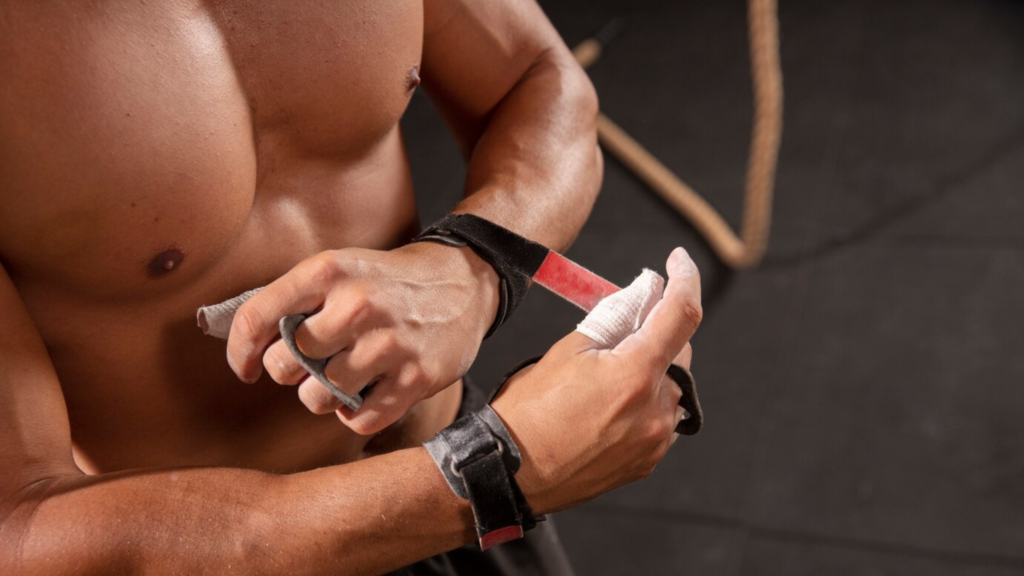
That's why I always recommend that the quantity and quality of physical exercise be intensified gradually, according to each person's will and tolerance, with careful and frequent observation of individual results. A common mistake I've seen in my practice is the application of intense physical activities, such as CrossFit (and similar), to people who were sedentary or only practiced walking (or something light). The most recurrent result I see is repeated injuries when the precautions mentioned are not followed.
In my opinion, CrossFit is a very intense but interesting exercise. However, I wouldn't recommend it as the first choice for those coming off a light or non-existent exercise routine, as your muscles and joints may not be ready for it. Look for physical education professionals who understand the importance of this preparation.
3 - Improve your lifestyle
Some people may think that there's no direct link between healthy lifestyle habits (which are fundamental): https://icaro.med.br/15habitos/) and joint health, but this is a misconception. Joints can only be recovered or strengthened properly in those who maintain good lifestyle habits; otherwise, the accumulated damage can become serious and even irreversible.
After all, think about it: your body gets the raw materials to build (from cells and tissues to hormones) or transform what it needs to live (and the minimum conditions for this) from the water you drink, the air you breathe, your diet, your sleep, your physical exercise, and so on. In other words, your lifestyle habits are direct determinants of your overall health, including the health of your joints!
4 - Find the right foods (and/or supplements, if necessary)
Basically, your joints benefit mainly from water, proteins and minerals which, under complete and correct hormonal control, as well as the stimulus of adequate exercise, acquire good structure and function. Medicines may be necessary and useful, yes, but they are not the basis of the health of your joints!
I have therefore listed below some substances and measures that have proved successful in promoting the joint health of my patients over the course of almost 20 years of successful practice in medicine:
- Healthier lifestyle habits - They are the origin and maintenance of all fundamental health: https://icaro.med.br/15habitos/
- Quality collagens, These products, such as Genacol, UC-2 and quality hydrolysates (such as Naara and the like) - have different compositions and functions. Study up on them!
(About UC-2: https://www.infinitypharma.com.br/wp-content/uploads/2023/06/UC-II.pdf)
- Glucosamine + MSM - For this, I recommend Triflex, from GNC, or manipulation in good pharmacies.
- Omega 3 - In general, it contributes to natural anti-inflammation and joint repair.
- Move - It can help as a natural anti-inflammatory. Find out more: https://www.infinitypharma.com.br/wp-content/uploads/2023/06/Move.pdf.
- Hormonal balance - Adequate hormone levels are essential for tissues to know how to use the nutrients they receive, such as repairing and strengthening joint structures. When certain hormones are out of balance, joint health deteriorates, which can lead to inflammation and degeneration, causing disability.
- Quantum - Products such as Traumatox, Movimenthum and Liganum can help. Find out more at: https://www.fisioquantic.com.br/.
Important: Do NOT take anything on your own! Consult competent health professionals to assess whether these measures are appropriate for you.
5 - Some foods can be very inflammatory for most people and, as a result, their chronic consumption can lead to worsening of symptoms in places that are already inflamed or prone to inflammation (which can vary from one person to another). Some of these foods are milk and dairy products, gluten, red meat (in excess or consumed too often), fried foods and vegetable oils rich in omega-6, such as canola, soybean, corn and sunflower oils.
(When it comes to diet, good functional and individualized nutritional monitoring is always recommended).
6 - Just as there are “bad” foods, there are also good ones with anti-inflammatory properties! For example, green tea, foods rich in vitamins C and E, turmeric, garlic, onions, ginger, extra virgin olive oil (from good sources), dark chocolate, flaxseed and chia, among others, may be useful for you.
7 - In many cases, it is necessary to consult an orthopedist, especially when there are localized changes. Make sure you're well looked after!
I hope I've helped.














 Português do Brasil
  English