Orthomolecular - Learn more about its foundations, principles and uses
Every day, the media reports cases of people who have achieved significant weight loss or the “cure” of diseases through the orthomolecular approach, highlighting the health benefits of this approach. Despite its growing popularity, many people are still unaware of its essence and mechanism of action.
Also known as biomolecular medicine or Oxidology, orthomolecular medicine focuses on identifying and correcting imbalances of essential nutrients in the human body. This practice investigates possible deficiencies or excesses of vitamins, minerals, fatty acids and amino acids, resulting from variations in the production, absorption or excretion of these substances by the body, and seeks to restore them to their optimum levels.
According to the Houaiss dictionary, orthomolecular medicine is defined as a form of treatment based on the theory that “illnesses, including mental illnesses, can be cured by restoring optimal levels of substances, such as vitamins and minerals, present in the body”
Orthomolecular and Integrative Medicine - Differences, potential... With Dr. Denise de Carvalho
Orthomolecular and Integrative Medicine - Beware of Generalizations and Falsifications
✅ HISTORY AND ORIGINS OF ORTHOMOLECULAR MEDICINE
The orthomolecular approach, with its innovative approach to health, has its historical roots firmly planted in 1968, marked by the contribution of Linus Pauling (1901-1994), a noted American professor of quantum chemistry and biochemistry. The origin of the term “Orthomolecular”, derived from the Greek “ortho” meaning “correct”, points to the idea of the “correct molecule”, essential in the context of medicine. Pauling, recognized worldwide for being awarded the Nobel Prize twice - in Chemistry in 1954 and the Peace Prize in 1962 - was based on the pioneering work of the Canadian psychiatrist Abraham Hoffer.
Hoffer was one of the first to demonstrate, through randomized, double-blind studies, that high doses of vitamin B3 (3g/day) could effectively reduce the length of stay of schizophrenic patients. Inspired by these findings, Pauling proposed a revolutionary theory: mental disorders and other diseases could be treated by correcting imbalances or deficiencies in micronutrients in the brain, such as vitamins and other essential components, offering an alternative to synthetic psychoactive drugs.
At the end of the 1960s, Pauling began to shape the field of Nutritional Biochemistry and, in the following decade, broadened the scope of orthomolecular medicine to medicine in general. He defined orthomolecular practice as the use of “the right molecules in the right concentrations”, aimed at both the prevention and treatment of disease. This approach promotes health through physiological and enzymatic balance, thanks to specific nutrients such as vitamins, minerals and amino acids. Pauling's innovative vision not only established him as the father of Molecular Biology, but also paved a new path for understanding and treating human health.
In Brazil, orthomolecular medicine was introduced and popularized by renowned doctors such as Prof. Dr. Hélion Póvoa and Prof. Dr. José de Felippe Jr, who were instrumental in adapting and spreading this approach in the context of Brazilian health. They brought a new perspective on the importance of nutrition and molecular balance for health, contributing significantly to the growth of orthomolecular medicine in the country.
✅ WHAT ORTHOMOLECULAR IS AND HOW IT WORKS:
The human body, a complex living machine, operates optimally when kept in balance. The orthomolecular approach, recognized as a medical practice rather than a specialty, is key to preserving and restoring this balance. Its focus is on ensuring correct nutrition and protecting against damage caused by free radicals.
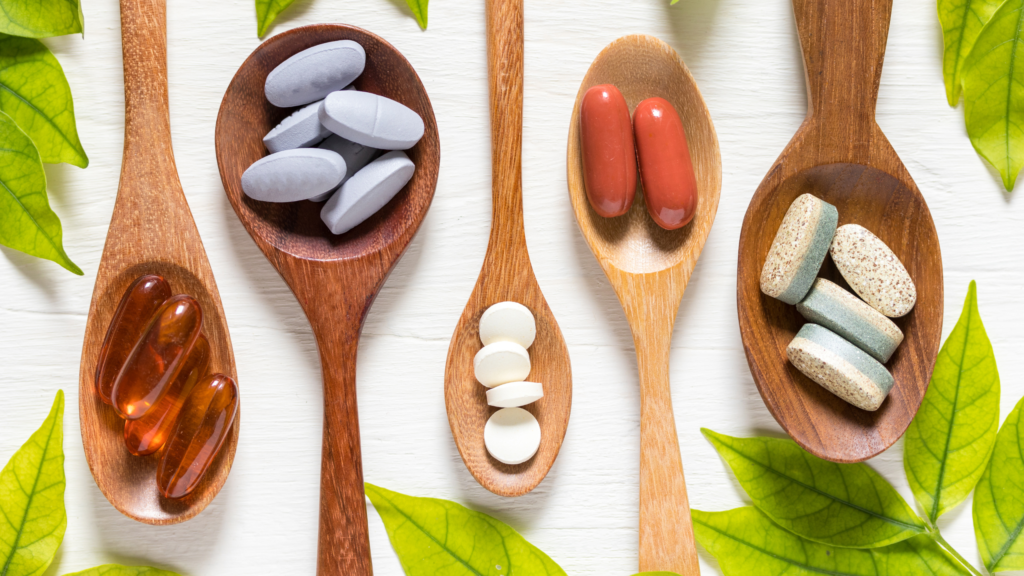
At the basis of orthomolecular medicine is the understanding that a proper balance of nutrients is essential for health. This methodology seeks to identify and correct nutritional imbalances, whether due to deficiencies, intoxications or excesses, and uses vitamins, minerals, fatty acids and amino acids as the primary tools for restoring health and adopting good lifestyle habits.
A central aspect of orthomolecular medicine is the fight against free radicals. These unstable molecules, which can come from external sources such as pollution, stress, smoking and certain foods, or be produced by the body itself, seek stability by combining with cell structures, resulting in cell damage and, consequently, disease and premature ageing. Orthomolecular medicine works by neutralizing these radicals, using antioxidants such as vitamins A, C and E, as well as a variety of amino acids and mineral salts, in addition to other nutrients and the adoption of good lifestyle habits to “protect” the cells and improve the body's balance.
As well as focusing on the treatment of specific conditions, orthomolecular medicine helps to prevent disease. This is achieved by creating an ideal internal environment in the body through nutritional balance. A fundamental part of this process involves promoting good lifestyle habits, including a balanced diet, regular exercise and effective stress management.
According to the Federal Council of Medicine's Resolution No. 1.938 of January 14, 2010, orthomolecular practice is recognized as a medical practice, although it is not classified as a medical specialty. The more appropriate term would be “orthomolecular/biomolecular strategy” or “orthomolecular/biomolecular practice”.
✅ ORTHOMOLECULAR IN MEDICAL PRACTICE
The application of the orthomolecular approach in clinical practice is a patient-centered approach, based on scientific principles, with the aim of treating and preventing disease, as well as promoting general health and well-being. To understand the essence of this practice, it is necessary to analyze the consultation and diagnosis, the personalized treatment methods and the specific interventions.
Consultation and Diagnosis:
Orthomolecular therapy begins with an in-depth consultation. At this stage we analyze symptoms, understand the patient's lifestyle, medical history, eating habits, environmental factors, mental health, among other questions. This total body assessment is vital for identifying the particularities of each case and determining the most appropriate treatment strategy.
A typical orthomolecular consultation, which usually lasts at least an hour, resembles a conventional medical consultation. It involves detailed questioning about signs and symptoms (anamnesis), physical examination and, if necessary, requesting specific complementary tests. What distinguishes the orthomolecular consultation is the time dedicated by the doctor and the integrative approach to the issues. While specialists tend to focus on their areas of expertise, orthomolecular practice seeks a more integrated vision, considering the patient as a whole.
Complementary Exams and Detailed Analyses:
For a complete diagnosis in orthomolecular practice, various tests are carried out in addition to the conventional ones, each with a specific purpose:
- CLINICAL EXAMINATION: This includes a detailed anamnesis and a complete physical examination. The anamnesis is the stage where the professional collects information about the patient's medical history, symptoms, lifestyle and eating habits. The physical examination helps to identify any clinical signs that may indicate nutritional imbalances or other health problems.
- LABORATORY TESTS: Blood tests are carried out, which can include biochemical, hormonal and enzymatic analyses. These tests provide crucial information about the functioning of the body, including nutrient levels, hormone function and enzyme activity. In addition, stool and urine analyses are often used to assess digestive health, the presence of heavy metals and the efficiency of toxin excretion.
- HAIR MINERALOGRAM: This specific test is used to assess the balance of minerals in the body, as well as the presence of toxic metals. It provides a comprehensive overview of mineral nutritional status and potential toxicity. Find out more at: https://icaro.med.br/mineralograma/
- DETAILED IMAGING TESTS: They include ultrasound, computerized tomography and magnetic resonance imaging. These tests are useful for visualizing the body internally and can help identify structural or functional problems that may be contributing to the patient's health condition.
- UNCONVENTIONAL TESTS: Such as EIS TECK, HLB, Bioresonance (Vegatest), Nerve Express and Optical Thermography. These tests provide additional information that may not be captured by conventional methods.
- EVALUATION OF FREE RADICAL PRODUCTION: This includes the measurement of free radicals in the blood by chemiluminescence, the measurement of MDA (malonic dialdehyde or malondialdehyde) in the urine, the measurement of antioxidant enzymes (glutathione peroxidase, superoxide dismutase, catalase) and the measurement of antioxidant substances (vitamins A, C, E, beta-carotene, folic acid, B12).
Personalized treatment:
After a detailed diagnosis, the personalized treatment phase begins. This stage is crucial and stands out for its individualized approach, meeting the unique biochemical needs of each patient. The treatment does not follow a standard protocol; on the contrary, it is carefully adapted based on the biochemical balance and the specific deficiencies identified in the tests.
- Supplementation: Supplementation of essential nutrients from test results, which can include a wide range of vitamins, minerals, essential fatty acids and amino acids. This supplementation is carefully calibrated to correct specific identified deficiencies and restore the body's biochemical balance - Find out more at: https://icaro.med.br/suplementacao/
- Optimizing Health and Prevention: The primary objective of this approach is to correct biochemical imbalances, address nutritional deficiencies and promote a state of optimal health and well-being. This strategy not only treats existing health problems, but also actively works to prevent the progression or emergence of new diseases.
- Changes in Life Habits: In addition to supplementation, treatment is reinforced by guidance on significant lifestyle changes. This includes personalized recommendations on diet, the need for regular physical activity, effective stress management techniques and the adoption of other healthy habits. These recommendations are made with the aim of maximizing the benefits of the treatment and promoting lasting well-being - Find out more at: https://icaro.med.br/15habitos/
Continuous monitoring:
The orthomolecular treatment process doesn't end with the initial prescription. Ongoing follow-up is essential, where adjustments are made as necessary, based on patient feedback and subsequent test results. This follow-up allows the doctor to monitor the effectiveness of the treatment and make adjustments to ensure the best possible results.
Orthomolecular medicine is an ongoing journey of health maintenance, not just a treatment for specific diseases. It aims for a lasting balance, promoting optimal health and preventing future health complications.
The importance of a qualified professional:
To avoid charlatans and guarantee an effective and ethical orthomolecular/biomolecular practice, it is vital to choose professionals with proven training and experience. Constant updating on research, successful practice over the years and solid training in the field are indispensable. Postgraduate studies are beneficial, but they are no substitute for in-depth and continuous study. It is advisable to check the professional's credentials, seek references and understand their treatment approach. Professionals qualified in orthomolecular/biomolecular practice generally have a proven track record of success, basing their treatments on quality scientific studies and keeping up to date with advances in the field.
✅ SO DOES THIS MEAN THAT IF I TAKE SUMPLEMETIN AND ADOPT HEALTHY LIFESTYLE HABITS I WILL BE PROTECTED FROM DISEASES AND PREMATURE AGING?
Adopting healthy lifestyle habits and taking nutritional supplements are important aspects of health and can help prevent diseases and promote healthy ageing. However, it is essential to understand that these practices do not guarantee total immunity against disease or premature ageing, and should not be seen as miracle solutions.
Before starting any therapeutic intervention, it is crucial to assess the patient's lifestyle habits. This includes adopting and maintaining healthy habits, as well as correcting harmful behaviors. A balanced diet and proper nutritional assessment are key to ensuring that all nutritional needs are met, and regular medical check-ups are essential to monitor health and prevent disease.
In addition, it is important to reduce the factors that promote the formation of free radicals, such as exposure to environmental toxins, smoking and a diet low in nutrients. These lifestyle aspects are just as important as nutritional supplementation in promoting health and preventing premature ageing.
It is important to note that genetics also plays a significant role in health and the ageing process. While nutritional supplementation and adopting a healthy lifestyle can help optimize health, it is not possible to modify the genetic profile. It is therefore a misconception that taking vitamins alone can be an “elixir of youth”.
Finally, it is essential to understand that medicine is a contract of means, not results. It is unethical for a doctor to promise specific results, as each patient's response to treatment may vary. Medical practice should always be guided by ethics, the individualization of treatment and respect for the uniqueness of each patient. Therefore, while the orthomolecular/biomolecular strategy, together with a healthy lifestyle, can bring many health benefits, these practices should be part of a broader, individualized approach to health care.
✅ ORTHOMOLECULAR IN BRAZIL:
In Brazil, orthomolecular/biomolecular practice has become firmly established, driven significantly by the efforts of notable pioneers in the field. Among these pioneers are Prof. Dr. Hélion Póvoa and Prof. Dr. José de Felippe Jr. Prof. Póvoa, recognized as one of the country's leading experts in nutrition and biochemistry and a former student of Linus Pauling, was instrumental in introducing orthomolecular medicine to Brazil. His extensive contribution includes more than 400 research papers and several books on the subject. Prof. Felippe Jr, with a solid background that includes a doctorate in Physiology from the University of São Paulo and a PhD in Sciences, is known for his contributions both in academia and in clinical practice.
The recognition of the orthomolecular/biomolecular strategy by the Federal Council of Medicine (CFM) is an important milestone on the Brazilian medical scene. Through Resolution No. 1.938, of January 14, 2010, the CFM established orthomolecular practice as a legitimate medical practice, although it does not recognize it as a medical specialty or specific area of practice. This recognition highlights the importance of an approach that considers the biochemical individuality of patients in the treatment and prevention of diseases.
In terms of training in the field, although orthomolecular medicine is not a common subject in undergraduate medical courses in Brazil, there are a growing number of postgraduate programs dedicated to this practice. These courses, usually lasting two years, are aimed exclusively at doctors and are recognized by the Ministry of Education (MEC). The content of these courses is comprehensive, covering various aspects of orthomolecular/biomolecular practice, from biochemical theory to clinical applications. The Association of Orthomolecular Medicine (ASOMED) points out that although nutritionists can employ some orthomolecular strategies, diagnosis and treatment should be carried out by doctors with specific training in the area. Therefore, before looking for an orthomolecular doctor, it is advisable to check that he or she has a specific postgraduate degree, participates in medical associations and keeps his or her training constantly up to date.
✅ TO DEEPEN YOUR KNOWLEDGE:
So as not to make the text too long, I recommend that you complement your reading with this excellent text by Dr. Frederico Lobo, which answers all your questions about ORTOMOLECULAR.

Orthomolecular/biomolecular practice, with its personalized approach and focus on correcting nutritional imbalances, is making a valuable contribution to medicine. In Brazil, this practice is gaining ground, supported by pioneering professionals and the recognition of the Federal Council of Medicine. Emphasizing the importance of a healthy lifestyle and the careful choice of qualified professionals, orthomolecular/biomolecular medicine encourages us to adopt a more natural and integrated view of health, recognizing that well-being goes beyond the treatment of disease and encompasses the active promotion of a healthy and balanced life.
Speaking of promoting well-being, I want to share some exciting news: the launch of my latest book, “Master Your Health”. Completely free, this book is a guide to optimizing your health, focusing especially on improving lifestyle habits for a fuller, healthier existence. With almost 160 pages, it is packed with knowledge that, if applied well, can prevent symptoms and illnesses, or treat them in a simpler, more natural and effective way, based on scientific and practical foundations. I invite you to download “Master Your Health” for free, either for your own personal benefit or to share it with others. This is a valuable and accessible resource for everyone seeking a healthier life. To download it, visit https://www.dominesuasaude.com.br/ or click on the banner below. Take this opportunity to take an important step on your health and wellness journey!
MORE ORTHOMOLECULAR UPDATES









 Português do Brasil
  English