Woman - Why PMS and the start of your period affect your mood and your body so much:
In a nutshell:
✅ Your estrogen levels drop, and female emotional well-being depends on them!
Estradiol, progesterone and testosterone drop during PMS and remain low during the first few days of bleeding, which affects regions of the brain such as the hippocampus, hypothalamus and amygdala. Changes in these hormones and regions can therefore influence mood, self-esteem and how a woman connects with other people.
Women become more impulsive (and therefore prone to taking “less considered” actions) during this period, due to the drop in oestradiol.
If your PMS (dysmenorrhea) is “worse than before”, you may need to improve your lifestyle habits (these: https://icaro.med.br/15habitos/ - as bad lifestyle habits are very detrimental to hormonal balance) or even to assess and optimize your hormones with an up-to-date and competent doctor you trust.
More here:
https://icaro.med.br/tpm/
See below for the text that motivated me to write this review:
http://essentialnutrition.com.br/conteudos/colageno-prevencao-envelhecimento
COLLAGEN: Understand how it helps prevent skin ageing.
Fine lines, wrinkles and loss of elasticity are common symptoms associated with ageing skin. The accumulation of environmental exposure and a natural decrease in cell renewal contribute to other signs associated with age: dry, dull skin1.
Certain care can improve the skin's youthful and healthy appearance.
WHAT IS COLLAGEN?
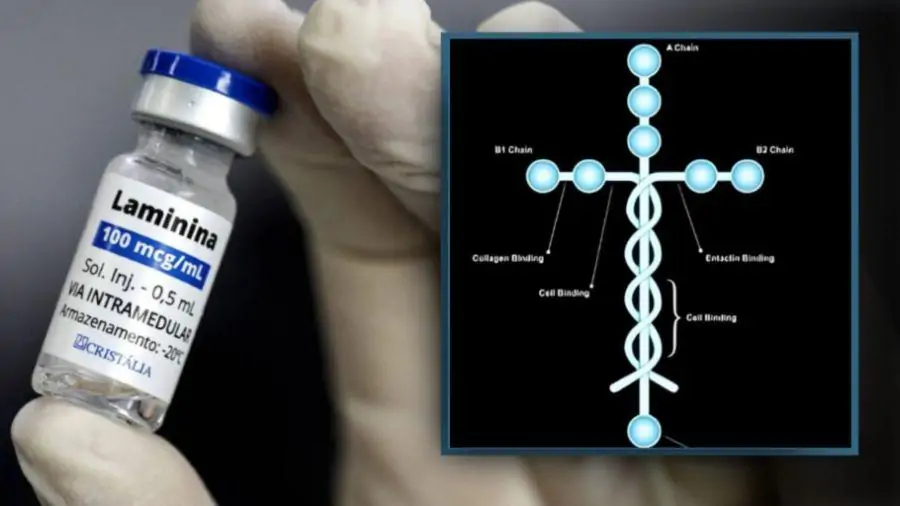
Collagen is a protein formed by a triple helix of amino acids that makes up the body's supporting fibers. It is the most abundant protein in the human body, accounting for 25% of all proteins, and is the main constituent of connective tissue, i.e. skin, tendons, cartilage and bones. Collagen is synthesized by fibroblasts (skin cells), chondrocytes (cartilage cells) and osteoblasts (bone cells), and there are 23 types of collagen, of which types 1 and 3 are those present in the skin2,3.
Due to its shape, it is a very elastic protein and is therefore able to perform its function of maintaining the resistance and elasticity of the skin, bones, muscles, tendons and ligaments, preventing fractures, strains and tears in these structures. The constant repair of the collagen structure helps maintain the skin's shine and smoothness, preventing the formation of grooves that lead to wrinkles2,4.
It's easy to see the deficiency of collagen and connective tissue in the skin. The changes seen with advancing age are directly related to changes in the quality and quantity of collagen. The connective tissue, which serves as the structural base, becomes stiffer and less elastic, leading to the appearance of atrophy, wrinkles and laxity on the skin's surface1.
YOUTH x OXIDATIVE STRESS
Excessive sun, cigarette smoking and toxins can affect skin elasticity, but another factor has also been directly linked to skin ageing: glucose. It is fundamental to the life of the cell, as it is its fuel. However, observing the speed with which diabetic individuals age, it has been noted that chronic exposure to this simple carbohydrate stimulates a process in the body calledglycation5.
Glycation is a chemical process that occurs inside the body in which a protein (collagen) and a carbohydrate (glucose) react when they meet. This bond causes the collagen to be destroyed and lose its sustaining function6-8. Evidence also shows that glycation reactions are accelerated by oxidative stress (see box) in skin cells9, which acts as a central factor in the events that trigger skin aging in the cell4.
WHAT IS OXIDATIVE STRESS? (explanatory table opposite)
“The oxygen we breathe naturally generates oxidizing compounds inside our cells. This process is necessary for the formation of energy and for cells to stay alive. In order to combat these compounds, the body has developed an antioxidant system, in other words, a system similar to “you washed it off”. These are enzymes, proteins, vitamins and minerals that restore the cell and keep us alive. Over time, the body is no longer the same and cannot recover easily, needing external help to repair its tissues.”10
The famous “free radicals” are capable of breaking down proteins (collagen), altering the skin's renewal cycle, damaging DNA and promoting the release of inflammatory cytokines - the main triggers in the generation of inflammatory changes in the skin4,11-14.
COLLAGEN AND HORMONAL FACTORS
As well as having a lower amount of collagen than men, women suffer from hormonal issues. The deficiency of sex hormones (estrogen, testosterone, DHEA) and growth hormone that occurs in women around the age of 45-50 reduces the production of fibroblasts (cells that produce collagen).). Without tissue elasticity, the blood does not travel at the same speed and flow, reducing the blood supply to the cells, skin and sebaceous glands. These hormones in particular have a great influence on the skin15-23.
ADVANCING AGE, GLYCATION, OXIDATIVE STRESS AND HORMONAL DECLINE: WHAT CAN I DO TO COMBAT THEM?
Together, these processes are responsible for deteriorating the skin's collagen, depleting vitamin A and C reserves and all the other stocks of antioxidants that we produce and ingest to keep our skin beautiful. Eliminating the primary factors and providing the right nutrients for the normal repair of the skin and its cells has been proven in several scientific studies. With this in mind, the field of nutrition is taking advantage of the benefits of hydrolyzed collagen, or the Collagen Peptides, It also contains specific amino acids that will act on the desired area of the body, offering many benefits.
WHAT ARE COLLAGEN PEPTIDES?
The Collagen Peptides are small groups of amino acids obtained from type 1 collagen through a production process that uses state-of-the-art technology and strict chemical and enzymatic hydrolysis controls. This facilitates the absorption of collagen and its arrival in the skin3.
HOW DO THEY IMPROVE THE SKIN?
Collagen peptides have been shown to be very effective in improving the appearance of the skin. Studies have evaluated the intake of 10g of collagen peptides per day, compared to a control group that did not consume this protein. Surprising results were obtained, including: a 28% increase in skin hydration for the 91% group after eight weeks of consumption, a 41% reduction in microrrugas for the 77% group after six weeks of consumption, and a 17% reduction in the total wrinkled surface for the 68% group after 12 weeks. The control group showed an increase of 30% in deep wrinkles after 12 weeks of study. Therefore, the intake of collagen peptides is closely linked to skin beauty indicators such as increased hydration, improved smoothness thanks to the reduction of microroughness and the prevention of deep wrinkles. These benefits are linked to the stimulation of endogenous collagen production caused by the consumption of peptides, thanks to their unique composition of peptides and amino acids3.
They can act as a source of protein, but contain specific amino acids that are essential for the skin. See the table below:
| COMPARISON BETWEEN THE AVERAGE AMINO ACID VALUES OF THREE PROTEIN SOURCES3 | |||
| % of amino acids | Collagen peptides | Whey protein concentrate | Soy protein isolate |
| Glutamic acid | 11 | 13 | 19 |
| Glycine | 20 | 1,5 | 4 |
| Hydroxyproline | 12 | 0 | 0 |
| Proline | 13 | 4 | 5 |
SUPPLEMENTATION WITH COLLAGEN PEPTIDES, VITAMINS AND MINERALS
Food may not always be enough to provide the ideal amount of nutrients that our bodies need after the age of 30 or when we see signs such as those mentioned above.
Proksch and colleagues carried out a study to assess whether hydrolyzed collagen is effective in parameters related to skin ageing. The study evaluated 69 women aged between 35 and 55. The researchers observed that supplementation with 2.5 g or 5.0 g of hydrolyzed collagen once a day for eight weeks significantly improved the elasticity of the skin of the women taking part24. However, the researchers point out that the formation of collagen in the skin, whether from food or supplementation, is associated with the intake of other nutrients, such as vitamin C and silicon25-27.
Collagen peptide supplementation is closely linked to skin beauty indicators such as increased hydration, improved smoothness thanks to the reduction of microroughness and the prevention of deep wrinkles28,29. These benefits are linked to the stimulation of endogenous collagen production caused by the consumption of collagen peptides, thanks to their unique composition of peptides and amino acids.3, 28,29.
REFERENCES











 Português do Brasil
  English