Do you have a potassium deficiency (and don't know it)?
Facts about POTASSIUM:
Potassium is a mineral of great importance for health, but many people still don't know about it or underestimate its value.
Our ancestors ate around 11,000 mg of potassium a day and 700 mg of sodium. However, in the modern diet, daily potassium consumption is around 2,500 mg, and sodium intake is closer to 4,000 mg.
Of course, all excess is bad for you and therefore excess sodium is dangerous, but nowadays it's estimated that insufficient potassium is also quite important in terms of leading to an increased risk of high blood pressure (icaro.med.br/hypertension) and various cardiovascular diseases.
Low potassium can cause or worsen: digestive malfunction (stomach acid disorder, constipation), abnormal heart rhythm, tiredness (icaro.med.br/fadiga), muscle malfunction (weakness, paralysis, spasms and even injuries), among others.
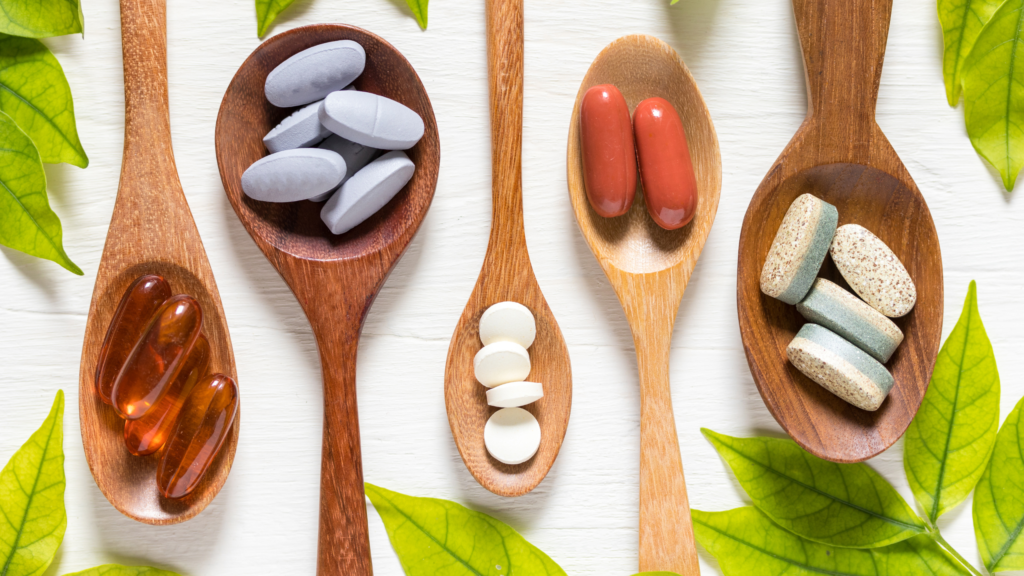
For top health, in general, we need 4,500 to 6,000 mg of potassium a day and of course most of this should come from good, well-distributed and varied food sources, but it can also be supplemented when necessary.
Some good sources of potassium in the diet are: apricots, most vegetables, bananas, potatoes, tomatoes, beans, fish, avocados, pumpkins, figs, peaches and meat.
Of course, too much potassium also poses dangers and there are diseases that even require a reduction in potassium (as in some cases of diabetes, kidney disease, etc.). That's why it's important to have a balance, which a good health professional (who understands the subject) will be able to help you assess, obtain and maintain.
Before ingesting any substance, improve your lifestyle habits, which are fundamental to ensuring that what should do you good doesn't do you harm. I explain in icaro.med.br/SAUDE.
*Some of the basic sources consulted for this post:
- Joseph Mercola - “Healing Without Effort” (at icaro.med.br/Books)
- POTASSIUM: The MOST Important Electrolyte - https://youtu.be/q2vPQYP0dpI











 Português do Brasil
  English