Regular physical exercise - why it's more than important: IT'S FUNDAMENTAL
Have you ever heard of a zebra suffering a “stroke” or a lion having a heart attack? That's right: several cases have begun to occur in animals that have been removed from their natural habitat and taken to zoos. This suggests that even animals that are stronger and faster than humans can develop cardiovascular complications when they reduce their daily physical activity. Now imagine how much more likely this is in sedentary human beings...
Let's think of a new door: if it isn't opened, closed and lubricated regularly, it will soon have difficulty opening, will jam and make sounds, indicating that its movement is compromised. Applying this analogy to the human body:
- The door represents our body and mind.
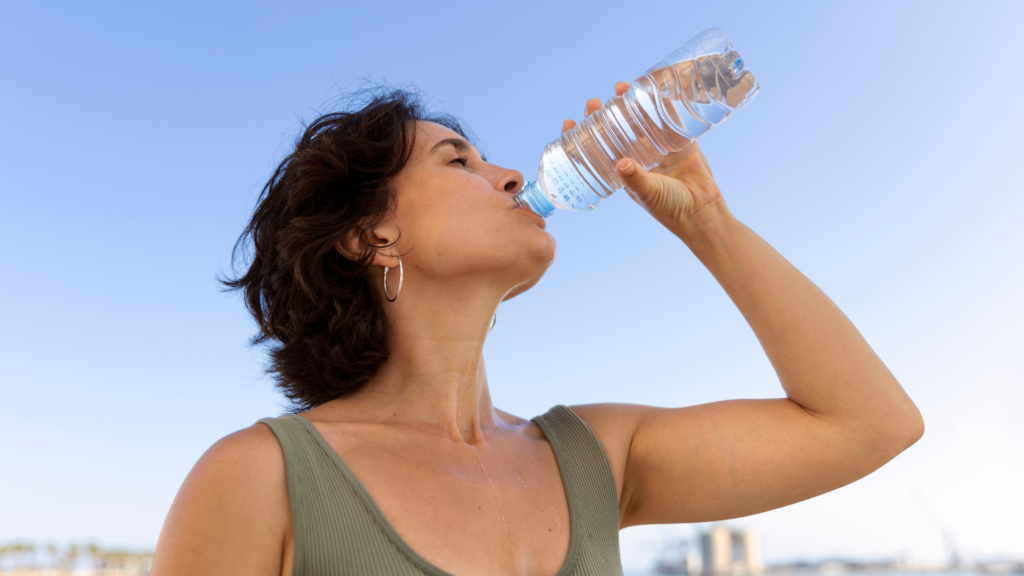
- The lubricating oil is water.
- The hinges are our joints, muscles and blood circulation. Without water and exercise, the joints and muscles begin to “lock up” and ache, and the blood circulates poorly, not reaching the various parts of the body properly and tending to become “thick”, clotting excessively and clogging veins and arteries more easily.
Following this reasoning...
In fact, cardiovascular diseases, mainly high blood pressure, heart attacks and strokes, kill around 1,000 people a day in Brazil alone, with the number of sequelae and complications being almost five times higher. Globally, heart attacks, strokes and high blood pressure cause more deaths than accidents, AIDS, cancer, H1N1 flu or any other disease we can think of.
So, what kind of exercise should you do? Any type of exercise, preferably aerobic (i.e. that increases breathing) for at least 40 minutes at a time, at least three times a week, stressing the importance of a medical assessment before starting. Good options include walking, aqua aerobics, dancing, running, swimming, tennis, among others; the most important aspects are: maintaining regularity, avoiding interruptions and respecting your body's limits. And, without a doubt, the most qualified professional to guide you in this matter is a physical educator.
Among the recognized benefits of regular physical exercise are:
- Improved cardiovascular function and endurance: a stronger heart is more resistant and efficient, working less intensely to fulfill its usual function.
- Increased muscle strength, size and flexibility while burning fat.
- Aerobic exercise improves blood circulation, preventing or improving conditions such as thrombosis, varicose veins and blocked blood vessels.
- Increased “good” cholesterol, HDL, which helps reduce total cholesterol, unclog vessels and prevent new obstructions.
- Reducing and controlling blood pressure.
- Improved respiratory function, increasing willingness for daily activities.
- Reduced stress, which improves daily productivity.
In conclusion, keeping your body moving regularly is not an option, but a necessity. Nature relies on the support of our muscles to help the heart and blood vessels do their job of circulating blood properly throughout the body. Without this help, don't be surprised if serious cardiovascular diseases develop early. Regular physical exercise: this simple care helps prevent illnesses and, even when they do occur, significantly improves recovery and the effects of treatments.












 Português do Brasil
  English