Gifted: Reality, Myths and Health Tips
VIDEO 1 - Giftedness and High Abilities - With Dr. Olzeni Ribeiro and Dr. Ícaro Alves Alcântara
VIDEO 2 - THE PSYCHOLOGY OF GIFTEDNESS - WITH DR. JEAN ALESSANDRO
HEALTH TIPS:
In April 2024, I made a series of posts on my Instagram about: ‘Why gifted people (and people who overuse their brain/mind in general) often need supplements.
PART 1:
According to Google, gifted people often have the ability to process information and learn new concepts faster than average... Accelerated thinking is a common characteristic of gifted people. The mind is the set of thoughts and the brain is the organ that enables and controls the functioning of the mind; therefore, the brain of gifted people is naturally forced to “work harder”, in quantity and quality, which demands more of it. We know that a person's brain consumes 20% of the oxygen extracted from the air by the lungs in day-to-day activities for mere survival, but that in situations of “stress”, this consumption can reach 50%; similarly, the consumption of nutrients (vitamins, minerals, energy, etc.) also increases when the brain is under stress and the regular functioning of the gifted brain potentially generates a constant state of greater brain stress, thus leading to a greater expenditure of nutrients.
Recent studies have proven that around 80% of Brazilians “even try” to eat well on a regular basis, but that only a minority actually manage to obtain the necessary diversity and quality of nutrients in the food they consume; it has also been well proven that only a minority of the population consumes supplements to make up for dietary deficiencies; in other words, most human organisms function under multiple nutrient deficiencies, with brain performance being the most affected; and when the brain functions poorly, disorders such as attention, memory/cognition/learning, anxiety, depression, etc. arise. If the general population already doesn't eat or supplement enough to sustain their brains, imagine the gifted who have to sustain an already increased/accelerated brain/mental performance “by nature”?
Therefore, it is more than reasonable and necessary to state that: EVERY gifted person needs a good lifestyle to support their brain or they will be more vulnerable than the average person to disorders in its functioning... And this includes, in an especially important way, eating better and, in the vast majority of cases, regularly using good supplements.
Doesn't that sound logical?
PART 2:
PART 2
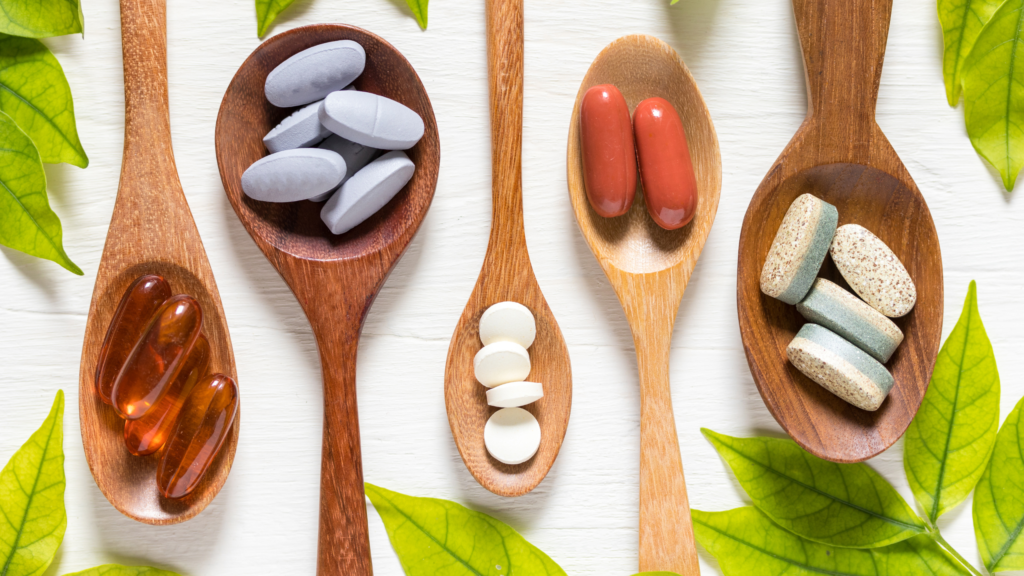
Now that we've agreed that most gifted people (and anyone who uses their brain/mind too much, in general) NEED certain supplements to “sustain” greater and faster brain activity (I explained this in the previous post...), the question is what these might be, right?
The main ones are those that the body needs most “in general” in order to function well (if the body needs them, the brain needs them “even more”), which I've already mentioned in Chapter 11 of my newest book, on page 112: download it for free right now at www.DOMINESUASAUDE.com.br (but I've also talked about them and several others in the icaro.med.br/supplementation):
Vitamins C and B Complex
Vitamin D (which should ideally be replenished along with K2, A, B2 and Mg)
Magnesium
✅ Omega-3 (mainly DHA)
Coenzyme Q10
But there are other natural substances, some more focused on Brain Health, which can also be quite interesting, such as:
Creatine
L-glutamine and L-tyrosine
L-taurine and L-theanine
✅ Hill
✅ Phosphatidylserine
TCM (medium chain triglycerides)
✅ GABA
Caffeine (in moderation)
✳️ Children and teenagers can usually use most of these, too.
✳️ I can't indicate doses here, ok? Only for patients, due to the need to individualize them.
But ALWAYS remember that you should only use supplements after improving your lifestyle habits (water intake, breathing, exercise, sleep, etc.) or they will work less, not at all or even have side effects: I explain this in detail in the book.
*And before anyone comes along to “upset” you, I'd like to make it clear that this post is intended to HELP you with quality information, so that you know what to take to decide whether or not to use it (and how) under the analysis/prescription/monitoring of your trusted and competent health professionals; the idea here is to give you options, to suggest what might help and not to say that “everything is 100% for everyone”.












 Português do Brasil
  English