Let's face it: if you're reading this text, it's because you're hoping for really useful and practical tips that will help you pass the exam of your dreams, right? Objectively, then, here are the main ones which, believe me, along with a lot of study, of course, really work:
1 - Read (and put into practice) this content here.
2 - Always adopt and maintain healthy lifestyle habits (click here)In case you didn't quite understand the second tip (perhaps you didn't access the material in the link), I'll explain:
In order to study effectively and pass exams, it is essential to keep the brain functioning optimally. To do this, the brain constantly needs an adequate blood supply, containing a good amount of water, nutrients and oxygen. In other words, if any of these “fuels” are missing, the brain realizes that it doesn't have the minimum conditions to function properly and, consequently, commands the metabolism to slow down until the shortage is made up (to understand more about metabolism, search here). The result of this is simple: low metabolism = slow and insufficient mental processing = low productivity in studies and when taking tests = YOU WON'T PASS!
In simple terms, I hope you have understood the importance of maintaining healthy habits: drinking water properly (at least 3 liters distributed throughout the day), eating well (in terms of quantity, quality and regularity), breathing properly (I recommend learning breathing techniques through meditation, Tai Chi, Yoga, Lian Gong or similar practices, or simply taking deep breaths several times a day) and maintaining good blood circulation (only possible with adequate water intake and regular exercise). Without this, you will never achieve “premium brain function”. This is pure, proven physiology. Only those who don't want to accept it don't.
But what about other lifestyle habits? How do they fit into this story? Let's see:
✔️ Fibers: Fiber is essential for good intestinal function, keeping it clean and healthy. This is essential for the intestines to be able to absorb nutrients from the food and supplements you eat. Without a daily intake of 25 to 35g of fiber, there is a risk of not properly absorbing even the carbohydrates in the diet, which are the brain's main fuels.
✔️ SleepThe fixation of memories, the formation of relationships between the content studied (in order to make it more accessible) and the recomposition for a good performance the next day (which, until you pass, will always be full of studying, right?) depend on adequate sleep. This includes sleeping in a dark, quiet environment, being properly hydrated and fed, as well as having a good mattress and pillow, among other factors. If you “demand too much of your body” (I'm referring in particular to your brain) without giving it the rest it needs to recover, you could end up damaging your health and, consequently, your dreams of a stable public career. Never forget that.
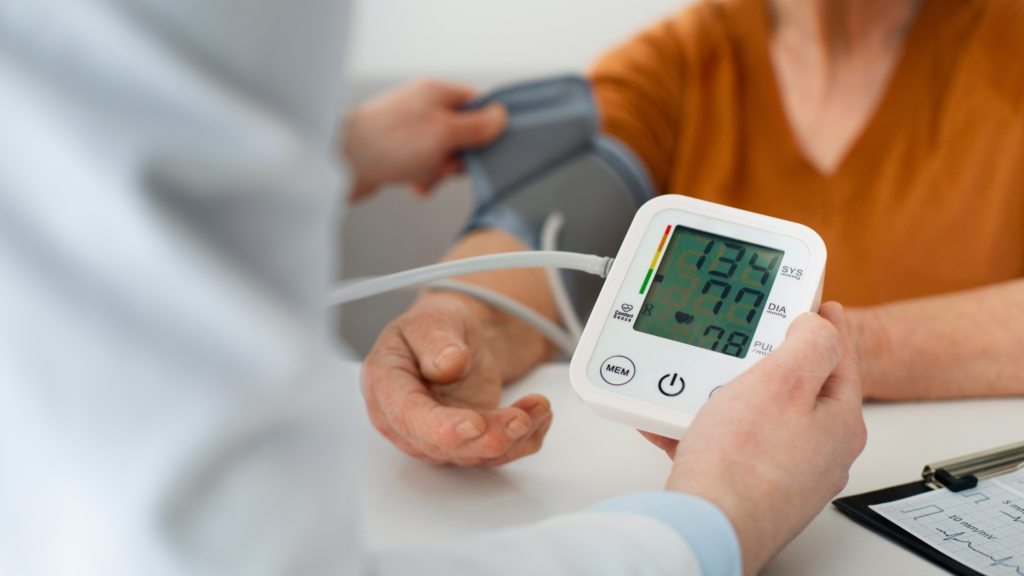
✔️ Regular Medical and Nutritional Consultations (and Others When Necessary)Try studying or taking tests when you're ill and you'll notice the drop in productivity. It's clear that you won't get the expected results in this condition. It's therefore crucial to understand that support from appropriate health professionals is crucial, not only during your period of study and exams, but also beforehand. This support is essential for preventing illnesses, for detecting and treating them early (when necessary) and even for optimizing your productivity and results.
✔️ Excesses and poisoningAnything that overloads your body will require extra energy from it to deal with the overload and its consequences until the problem is solved. And guess where this energy will come from? From the precious reserves that are essential for your studies and for “giving you that boost” in your studies and exams. Therefore, excesses of stimulants, alcohol, cigarettes and the like will always reduce your performance.
✔️ Positive Thinking and Posture (Action)If you're doing everything in your power to achieve a goal, it's reasonable to believe that you have the best chance of success, right? What's more, clinical studies have proven that recurring negative thoughts can significantly impair neuro-psycho-emotional performance.
✔️ Stress: Stress is by far the biggest enemy of any competition candidate and possibly the most poorly managed. There are no “magic formulas”, and in many cases the best option is to seek psychological support (which is usually very effective). However, some strategies always help: proper planning and discipline (applicants who don't follow a carefully planned and executed routine rarely pass), avoiding “storms in a glass of water” (the energy spent overemphasizing problems can be lacking to maintain good mental processing in studies), focusing on action (based on well-done planning) rather than on problems, and maintaining regular leisure activities (being an applicant doesn't mean ceasing to be human, who also needs periodic relaxation).
Cheers and I'm sure these tips will help: take the test! Enjoy and good luck.
For those curious about whether “all this really works”: I'm a civil servant. ** These tips are not just for competition candidates, but for anyone interested in maintaining good productivity and results in their professional life, which is increasingly competitive and demands constant performance and results.














 Português do Brasil
  English