The 4 “fuels” of the human organism
Do you know of any machine that operates without fuel? For example, a car that runs without gasoline, alcohol or the like (except “downhill”, but still propelled by the force of gravity)? It doesn't exist, does it? It's the same with the human organism: it needs “fuel” to function or else it gets sick. In fact, most disorders and diseases are caused or maintained by a lack of or some disturbance in the supply of these “fuels” to our cells.
But what are these four essential fuels for a balanced and quality human life? They are the air we breathe, the water we drink and the food we eat. When they are lacking or inadequately supplied, we get sick, we stay sick and even life can become impossible. It's as simple as that.
Air supplies oxygen to the lungs, which transfer it to the blood. The blood, in turn, carries it to all parts of the body. Inside our cells, in the essential presence of water and nutrients from food, the energy that maintains our organic functions and thus our life is produced. It is therefore vital that the blood circulates well and that our lungs receive air properly and extract the necessary oxygen from it, making sure it reaches the blood in sufficient quantity and quality. The importance of breathing properly is therefore clear. The question is: do you breathe well?
Studies show that most of humanity does not breathe properly, for a variety of reasons, including illness and poor air quality. But the most significant is that we breathe shallowly and superficially, using less than 40% of our lungs“ capacity, which prevents adequate renewal of the air inside them. As a result, we don't sufficiently oxygenate our blood, which reduces the amount of circulating oxygen needed for a productive life. And the main cause of this shallow breathing is the ”evil of the century": stress. There are few people without some degree of chronic psychological stress, which limits the movement of the diaphragm, the most important muscle for inhaling and exhaling. With less mobility than ideal, it makes it impossible to take deep breaths as they should be.
Yoga, Tai Chi Chuan, physiotherapy techniques (such as RPG), meditation and similar activities are examples of strategies that help you breathe better and are highly recommended for those who can learn them and apply them on a daily basis. For those who don't have the immediate possibility of practicing them, here's a simple tip: several times a day, try to exhale as much air from your lungs as possible and then inhale deeply. You'll only spend a few seconds each time you do this and you'll be renewing significantly more air in your lungs than with your usual breathing. Make a habit of doing deeper inhales and exhales several times a day and feel the benefits.
*Only two types of cells “reject” oxygen: tumor cells and fat cells (adipocytes). The question is: do you “like” them?
Read more about water at https://icaro.med.br/agua/all chemical reactions in the body and mind occur in it or need it to happen. Life becomes unsustainable when you drink too little water; unfortunately, many people find this out the hard way.
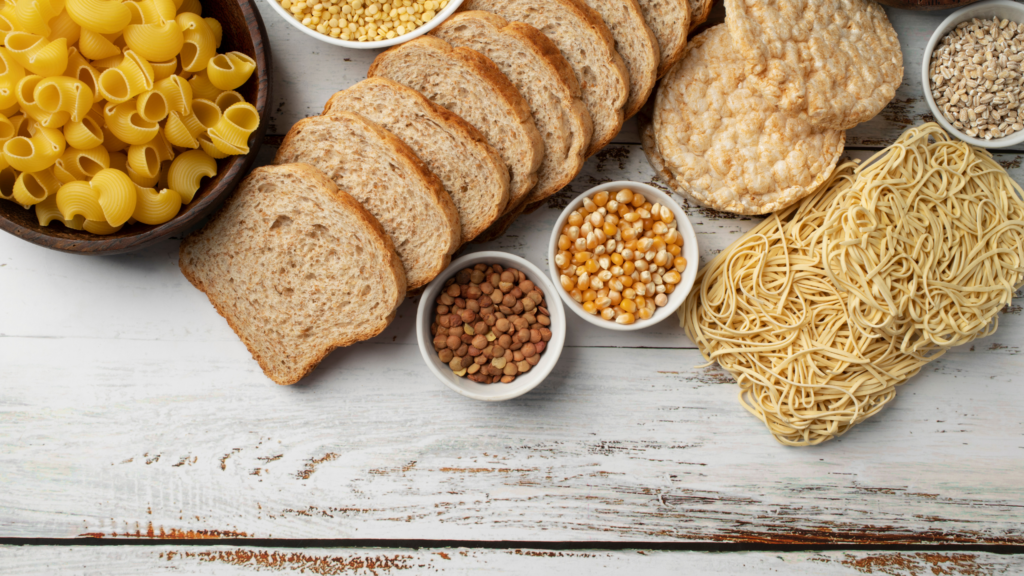
As for food, its importance has already been and continues to be covered in detail here: https://icaro.med.br/alimentacao/. Without adequate nutrition in quantity and quality, the body is unable to produce what it needs, be it energy, structures, production or repair, however basic these may be.
Understand, therefore, that if Confucius is correct (and he is) in saying “Every walk begins with a single step”, the foundations for your health (https://icaro.med.br/saude/), well-being and true quality of life do not lie in “miraculous” or “miracle” treatments or medicines, but in healthy lifestyle habits and, above all, in the adequate supply of the 4 essential “fuels” that the body needs to do more than survive: to live. Think about it and remember this, for your own good, from now on: these are the first 4 steps of the 12 of Health: https://icaro.med.br/15habitos/.















 Português do Brasil
  English